What Should You Do First After a Tree Is Damaged in a Storm?
- 1
Keep People Away From the Damaged Area
Do not stand beneath broken, cracked, hanging, or partially attached branches. Damage that looks stable from the ground can shift after the storm has passed.
- 2
Look for Utility Lines
If branches or a tree are touching, hanging over, or close to electrical lines, stay away. Do not attempt to cut, move, pull, or climb around the tree. Contact the appropriate utility or emergency authority.
- 3
Check for Major Structural Changes
Look from a safe distance for a new lean, split trunk, uprooting, broken main stem, major hanging limbs, or large sections of canopy that have failed.
- 4
Do Not Rush Into Cutting
Improper cuts can create additional hazards and may reduce the chance of preserving a recoverable tree.
- 5
Have Significant Damage Evaluated
A Certified Arborist can help determine what is broken, what remains structurally sound, and what the reasonable options are.
What Storm Damage Is an Emergency?
Not every broken branch requires emergency service. Some damage can safely wait for a scheduled evaluation. Other damage should be addressed quickly.
Call for prompt professional help when you see:
- large hanging branches
- a split trunk
- a major broken leader or stem
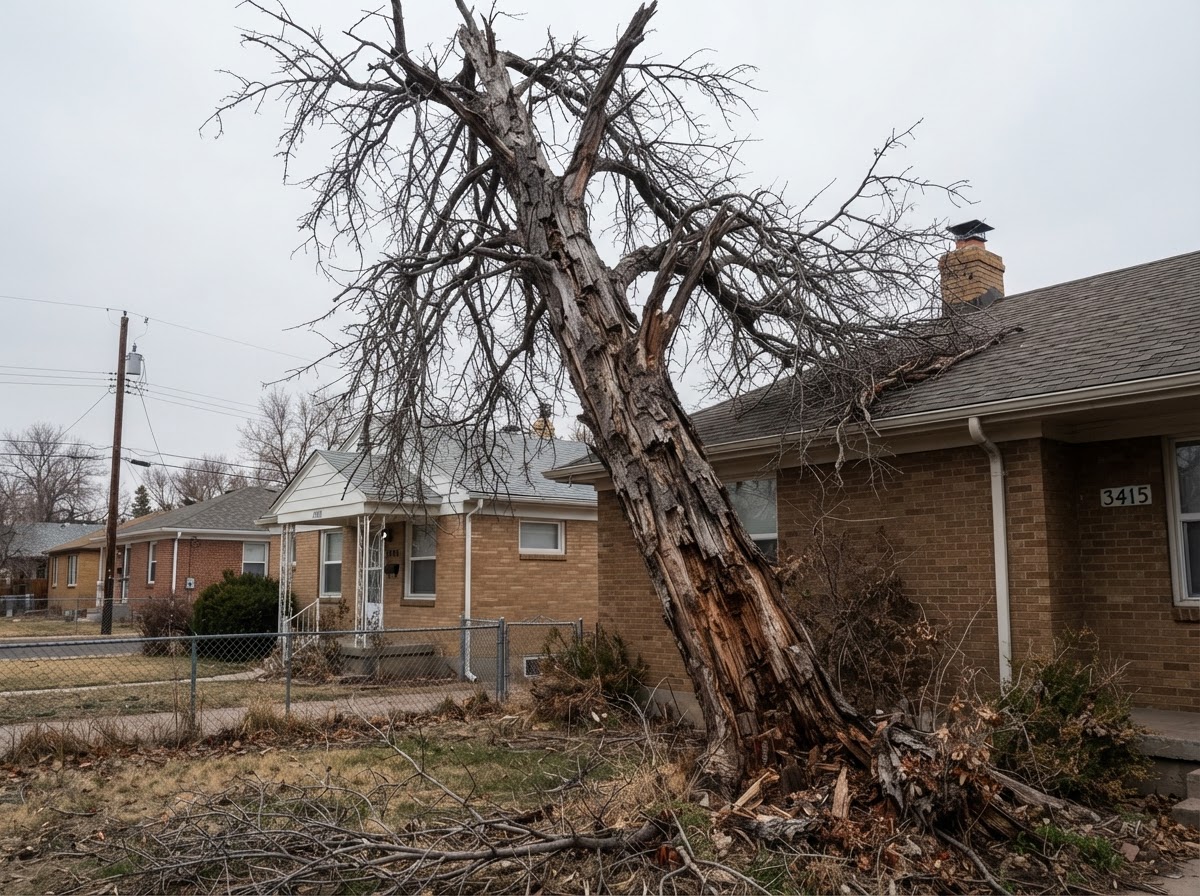
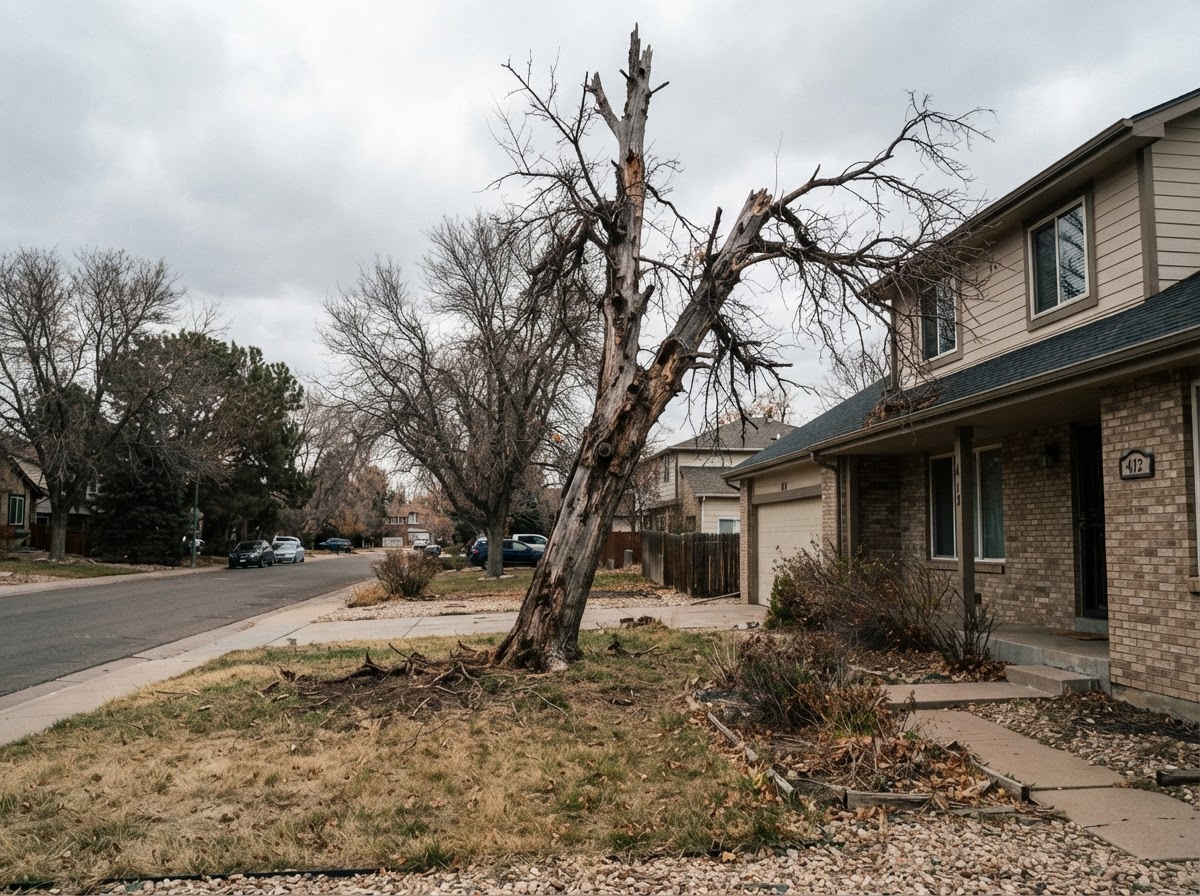
- a tree leaning suddenly after a storm
- root movement or lifted soil
- a partially uprooted tree
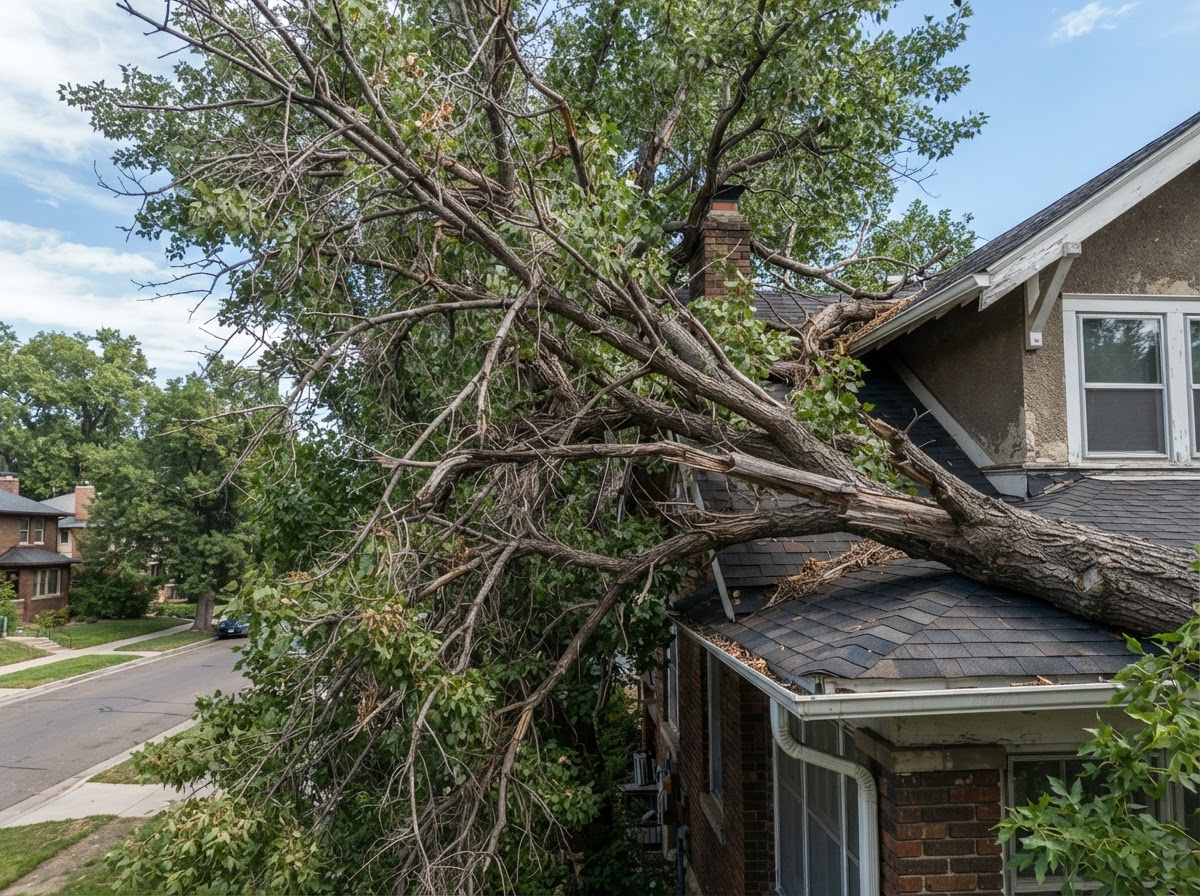
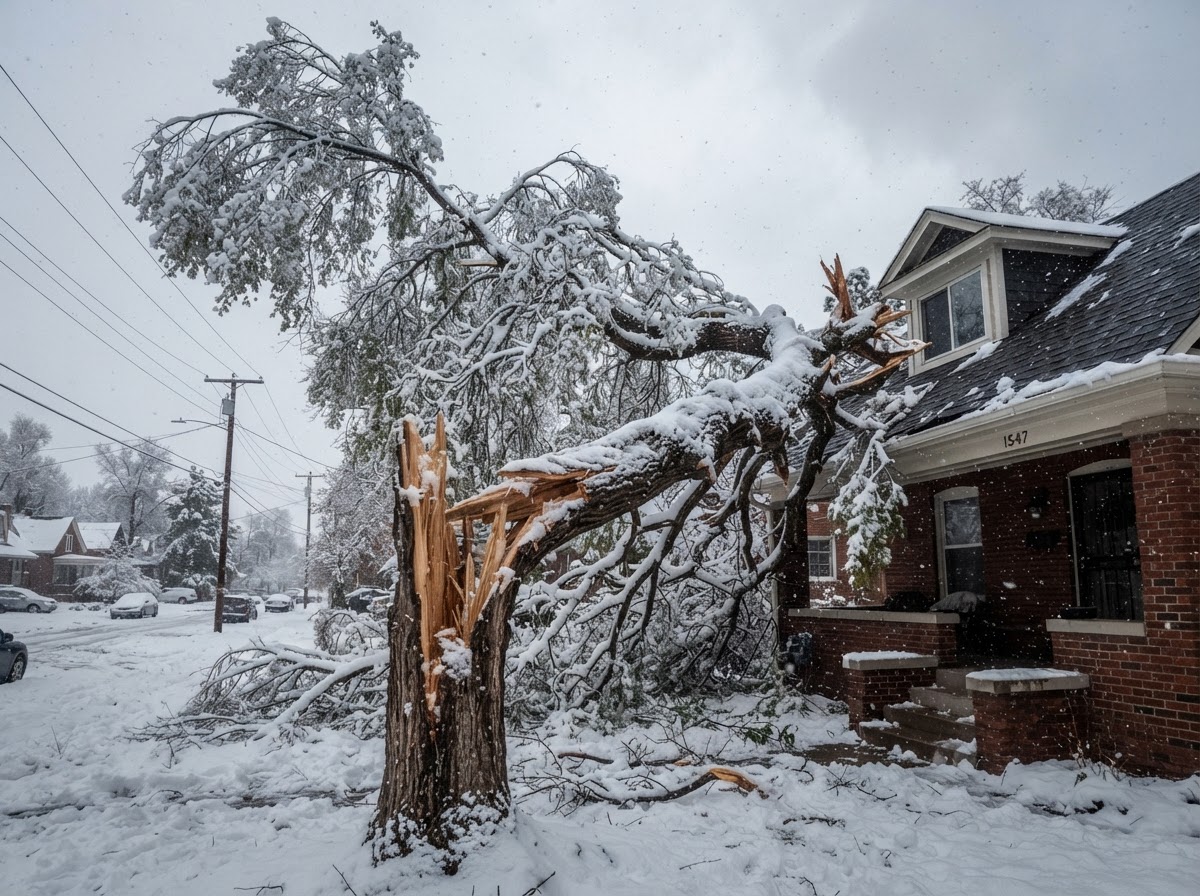
- large branches on a home, garage, vehicle, street, or driveway
- damage blocking access
- branches threatening occupied areas
- multiple large failures within the same tree
If utility lines are involved, keep clear and contact the utility first.
Can a Storm-Damaged Tree Be Saved?
Sometimes. The amount of visible damage is important, but it is not the only factor.
A tree may still be worth preserving when:
- the trunk remains sound
- major structural branches remain intact
- the root system is stable
- enough healthy canopy remains
- the damaged branches can be pruned appropriately
- there is no severe decay or major structural defect
- the species and overall condition support recovery
A tree may be less likely to recover when there is:
- major trunk splitting
- extensive root failure
- severe uprooting
- loss of most of the canopy
- multiple major structural failures
- advanced decay
- serious pre-existing decline
The right decision should be based on the remaining tree, not just the branches that fell.
What Happens When a Tree Loses a Large Branch?
A large branch failure can leave a significant wound and change how weight is distributed through the canopy.
Whether the tree remains viable depends on:
- where the branch failed
- how much live canopy was lost
- whether the trunk was damaged
- whether other major branches were weakened
- the age and species of the tree
- previous defects
- tree health
- root condition
A single large branch failure does not automatically mean removal is necessary. But the remaining structure should be evaluated before deciding what to prune next.
What Does a Split Trunk Mean?
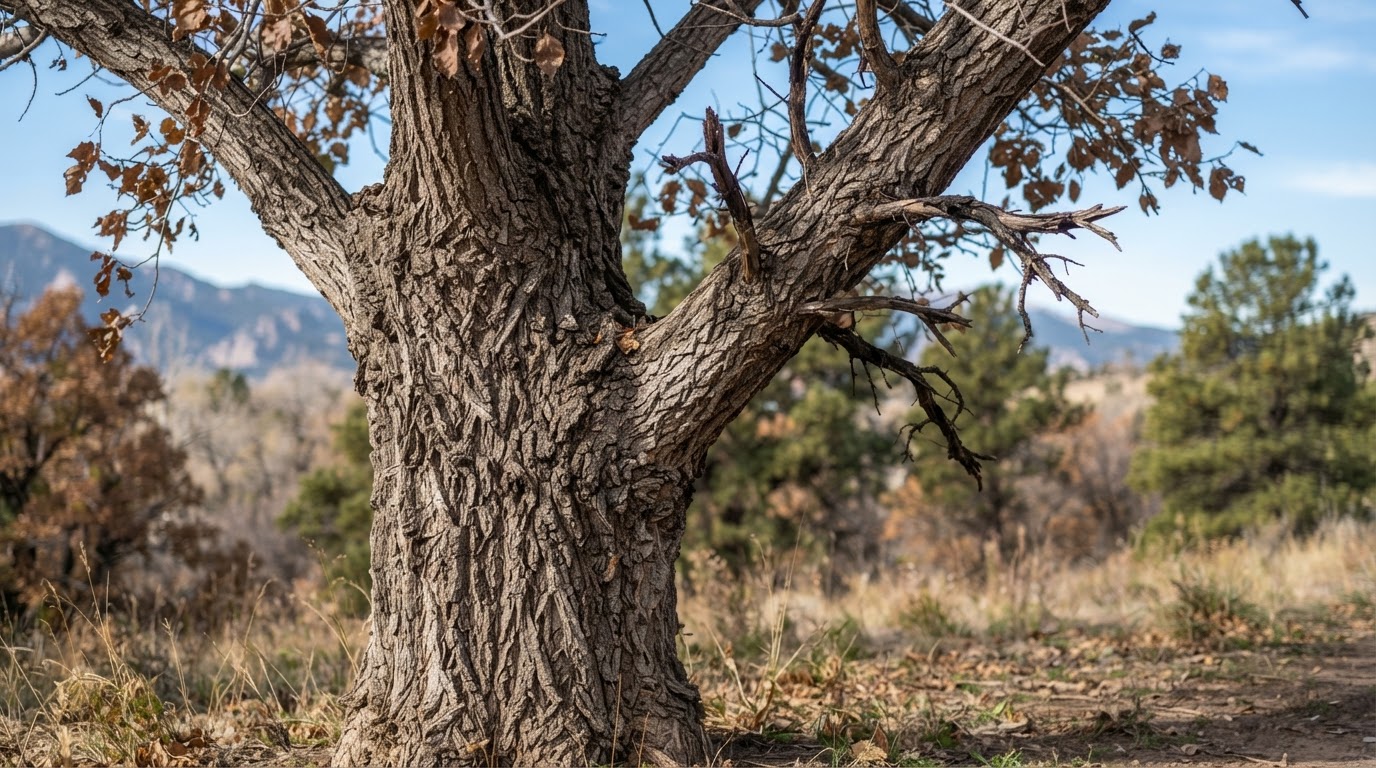
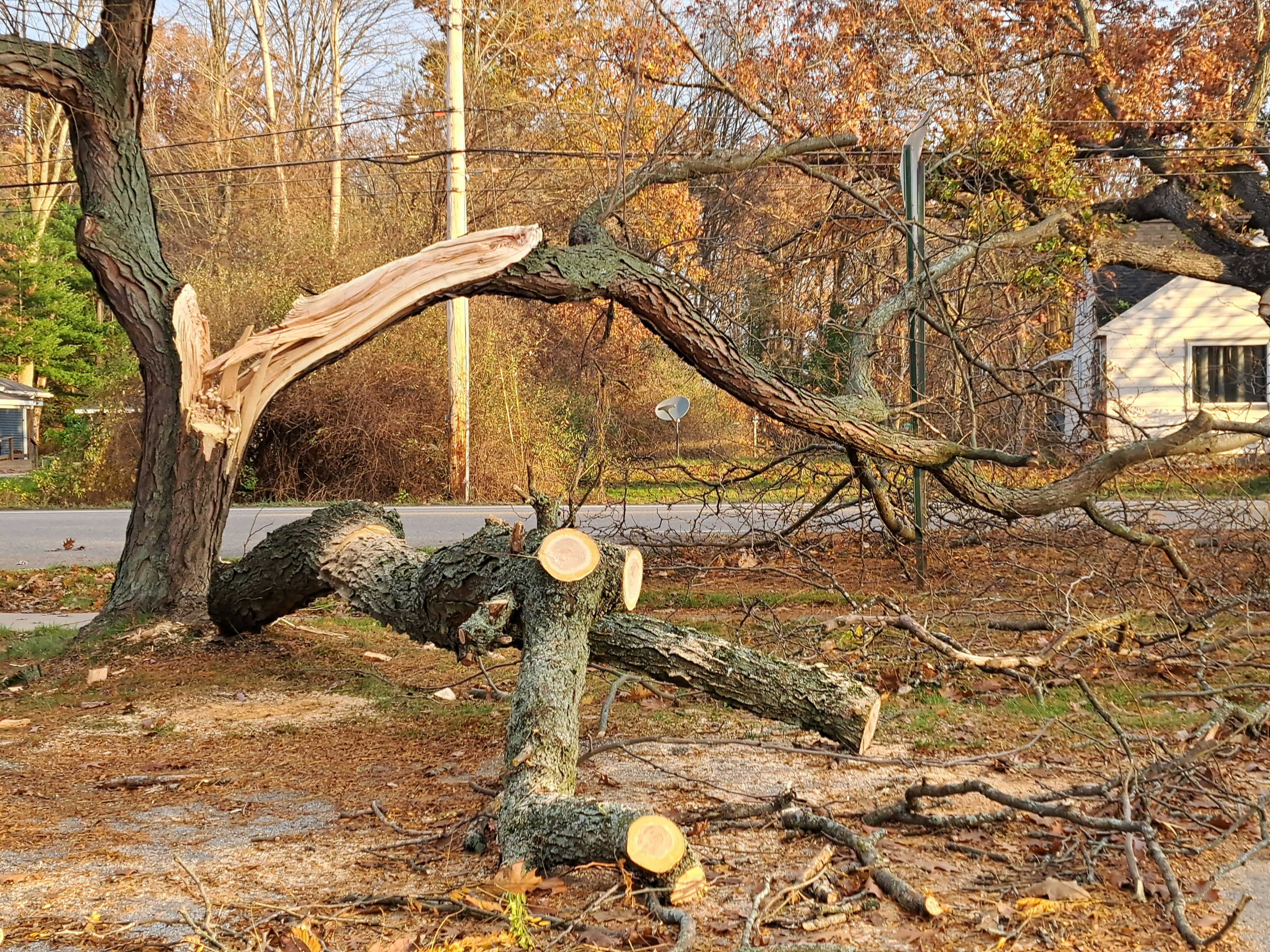
A split trunk or major branch union is more serious than ordinary broken twigs or small branches. Cracks and splits can affect how forces move through the tree and may indicate that a major structural connection has failed.
Some situations may have management options. Others may make preservation unrealistic.
Important factors include:
- depth and location of the split
- whether the split is actively opening
- amount of remaining sound wood
- tree species
- existing decay
- canopy weight
- root stability
- what is located beneath the tree
Do not attempt to pull a split tree back together with improvised straps, chains, or hardware. A structural evaluation should come first.
Can a Leaning Tree Be Safe After a Storm?
A tree that has leaned for many years is different from a tree that suddenly changes position after a storm.
A new lean deserves attention, especially when combined with:
- lifted soil
- cracking around the root zone
- exposed roots
- movement at the base
- recent wind damage
- saturated soil
- partial uprooting
Sudden root movement can indicate that the anchoring system has been compromised. Keep people away from the fall zone and have the tree evaluated promptly.
Why Heavy Snow Damages Denver Trees
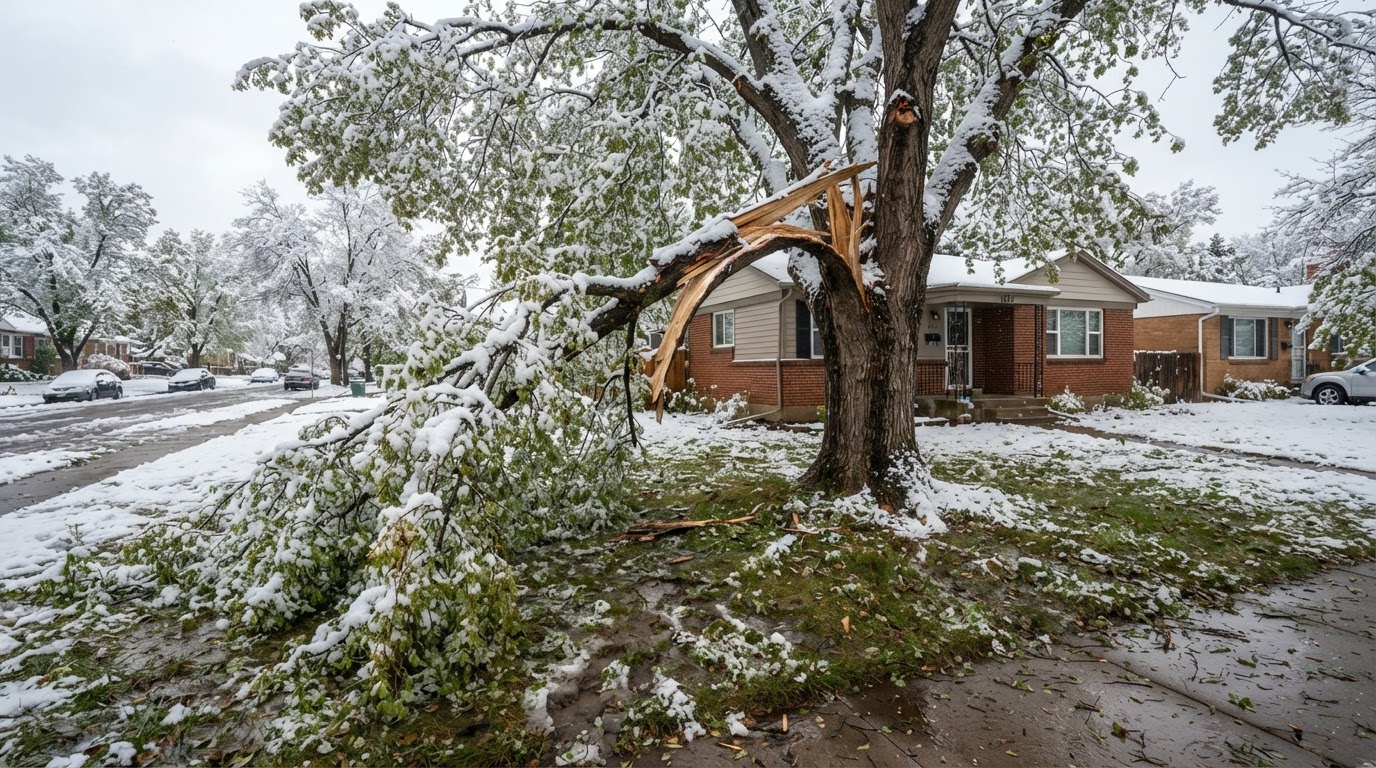
Denver's heavy wet snow can place substantial additional weight on branches. Damage can be especially severe when snow accumulates on trees that still have leaves, dense canopies, weak attachments, or long horizontal limbs.
Snow loading may cause:
- branch bending
- broken limbs
- split unions
- top failure
- canopy distortion
- whole-tree failure in already compromised trees
Not every bent branch is permanently damaged. Some branches may recover after snow melts. Others may have cracks or attachment damage that are not immediately obvious.
Avoid aggressively shaking or striking heavily loaded branches from underneath.
Should Broken Branches Be Cut Immediately?
Broken branches should eventually be addressed, but homeowners should not assume every damaged branch should be cut immediately without considering how it is attached.
Small, accessible debris on the ground is different from:
- hanging limbs
- large partially attached branches
- branches under tension
- broken limbs high in the canopy
- branches resting on structures
- damage near utility lines
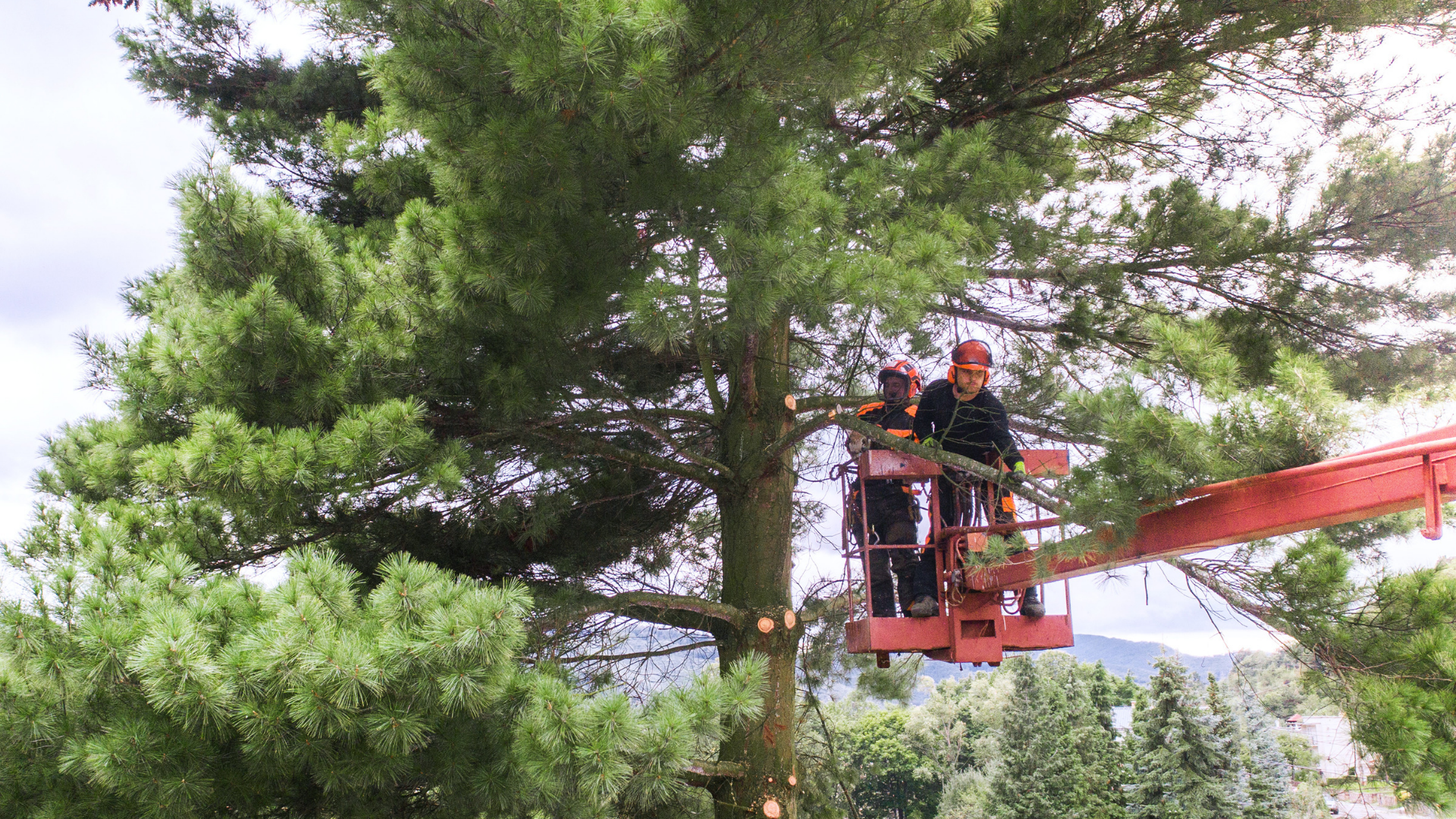
Improper cuts can cause additional tearing and create more damage. Large or elevated storm damage is better handled by trained tree-care professionals.
Should You Top a Storm-Damaged Tree?
No. Tree topping is not a proper repair strategy for storm damage.
Removing large sections of healthy canopy simply to make a damaged tree shorter can create additional problems, including:
- large wounds
- weak regrowth
- decay
- loss of natural structure
- additional stress
- future branch failure
The goal after storm damage should be to preserve appropriate healthy structure where possible while removing branches that are broken, unsafe, or no longer viable.
Tree Pros does not recommend routine tree topping.
When Is Tree Removal the Better Option After a Storm?
Removal may be the practical recommendation when storm damage has compromised too much of the tree. Examples may include:
- severe uprooting
- major root failure
- trunk splitting with poor remaining structure
- loss of most of the canopy
- multiple major scaffold branch failures
- advanced decay combined with storm damage
- a tree that was already severely declining
- a damaged tree that presents an unacceptable concern to surrounding property
Removal should not be based on appearance alone. Some trees look dramatically damaged after a storm but still retain enough sound structure to recover. Others may look relatively intact while serious root or trunk damage has occurred. That is why evaluation matters.
What Should You Do With a Tree After Emergency Work Is Complete?
Emergency work often focuses on the immediate hazard. Long-term tree care may require a second look after the urgent problem is addressed.
Follow-up may include:
- additional pruning
- monitoring new growth
- evaluating remaining structure
- checking for decay
- watering during dry conditions
- plant health care
- reviewing nearby trees that experienced the same storm
A tree that survives the initial storm damage may still need monitoring as it responds over the following months and years.
Can Storm Damage Reveal Problems That Were Already There?
Yes. Storms often expose weaknesses that existed before the weather event.
Those can include:
- weak branch attachments
- included bark
- decay
- dead branches
- poor previous pruning
- root problems
- imbalanced canopies
- old cracks
- structural defects
That does not mean every tree that loses a branch was unhealthy. Healthy trees can also be damaged by severe weather. But understanding why a failure occurred can help guide what happens next.
24/7 Emergency Tree Service
How Tree Pros Handles Storm-Damaged Trees
Tree Pros provides 24/7 emergency tree service throughout the Denver metro. Our team includes three ISA Certified Arborists, and every crew leader is an ISA Certified Arborist.
When we evaluate storm damage, we look at both the immediate problem and the condition of the tree that remains. That includes:
- broken branches
- hanging limbs
- trunk condition
- major branch unions
- root movement
- tree lean
- remaining canopy
- existing decay
- surrounding structures
- property access
- whether preservation is reasonable
The goal is not automatically to remove the tree. If damaged portions can be addressed and the tree can reasonably be preserved, we will say so. If the remaining structure makes removal the practical recommendation, we will explain why.
Reviewed for Tree Pros by arborist-led tree care professionals serving the Denver metro.