What Is the Best Time of Year to Prune Trees in Denver?
For many deciduous trees, dormant-season pruning in late winter or early spring can be a good choice. During dormancy, leaves are off the tree, branch structure is easier to evaluate, and pruning can often be completed before the next major flush of growth.
That said, timing should never be based on the season alone. Some trees have species-specific concerns. Some may be under drought or environmental stress. Some pruning objectives can be handled during other parts of the year. And storm damage, broken branches, or immediate safety concerns should not be left in place simply because the calendar is not ideal.
The correct timing starts with one question:
Why does the tree need pruning?
Does Every Tree Need to Be Pruned in Winter?
No. Winter is a useful pruning window for many trees, but it is not automatically the best time for every species or every situation.
Pruning timing may change based on:
- tree species
- tree age
- tree health
- amount of live canopy being removed
- the reason for pruning
- disease or insect concerns
- recent storm damage
- drought stress
- weather conditions
- whether the pruning is routine or urgent
A healthy tree needing light structural pruning may have more timing flexibility than a stressed tree that has already lost significant canopy. A mature tree with a broken limb may need attention immediately. A tree affected by a particular disease may need pruning during a specific season to reduce the chance of spreading pathogens.
Good pruning decisions account for both timing and tree condition.
When Can Trees Be Pruned During the Year?
Winter
Winter is often a strong time for routine pruning of many deciduous trees. Without leaves, branch structure is easier to see, making it easier to identify deadwood, crossing branches, poor attachments, and structural concerns. Dormant-season pruning can also reduce stress associated with heavy foliage loss.
Spring
Early spring can still be appropriate for some pruning, especially before or around the beginning of active growth. As trees begin leafing out, their health and vigor may also become easier to evaluate. Heavy pruning during active growth should be approached carefully, especially on stressed trees.
Summer
Summer pruning may be appropriate for specific objectives such as addressing broken branches, clearance issues, or certain structural concerns. Because the tree is actively growing, unnecessary canopy removal should be avoided. Summer can also be useful for seeing canopy density, dead branches, and foliage-related symptoms that are not visible during dormancy.
Fall
Fall is not automatically a bad time to prune, but routine pruning decisions should consider tree health, species, weather, and upcoming cold conditions. Trees that are already stressed may not benefit from unnecessary pruning late in the growing season. As with every season, the reason for pruning matters more than following a rigid calendar.
When Should a Tree Be Pruned Immediately?
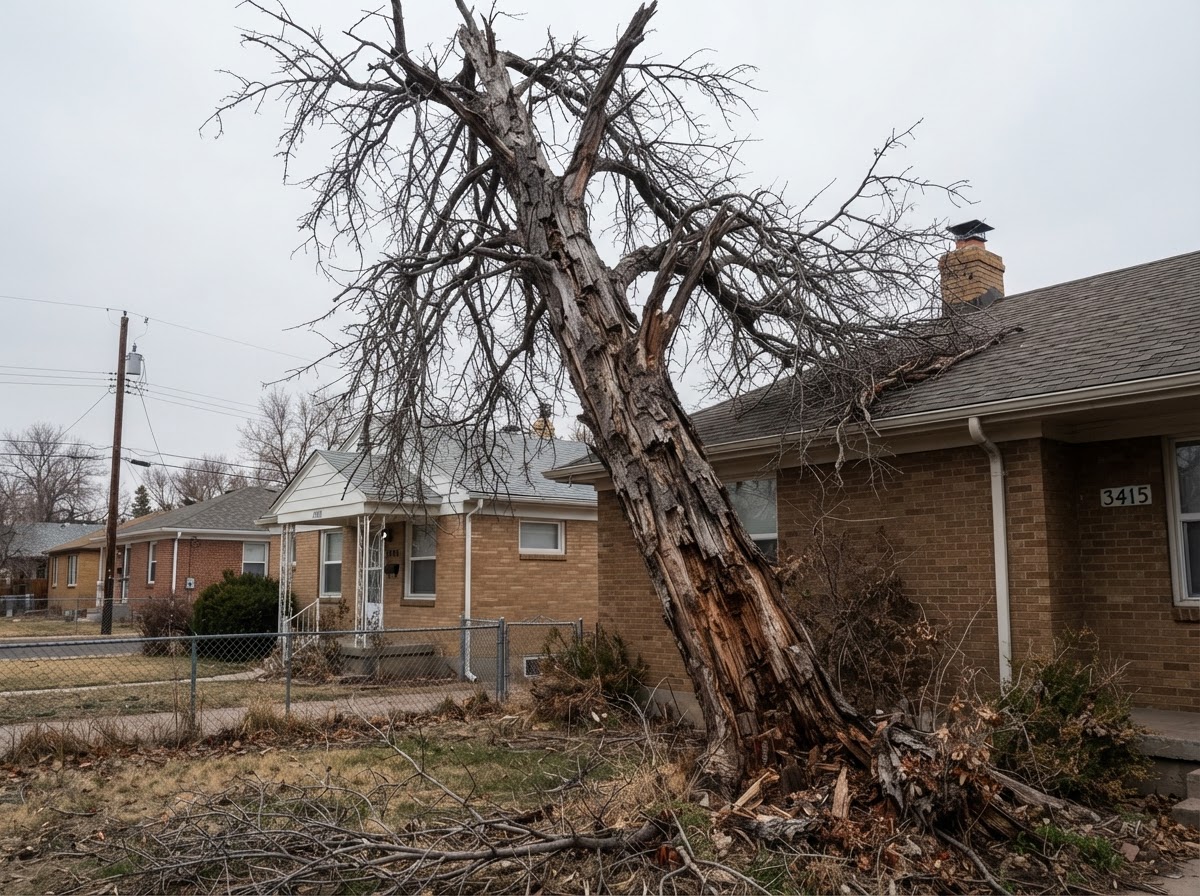
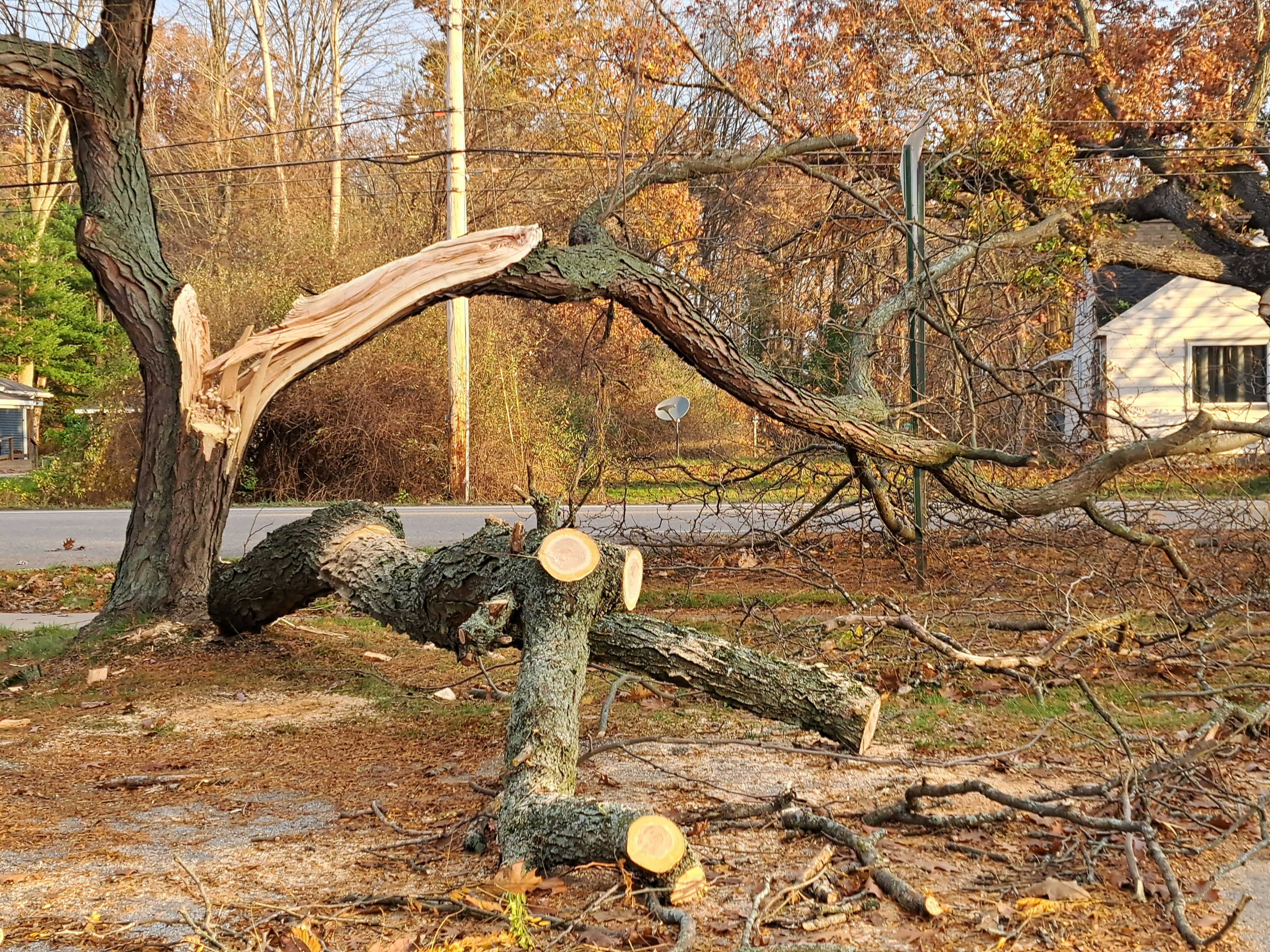
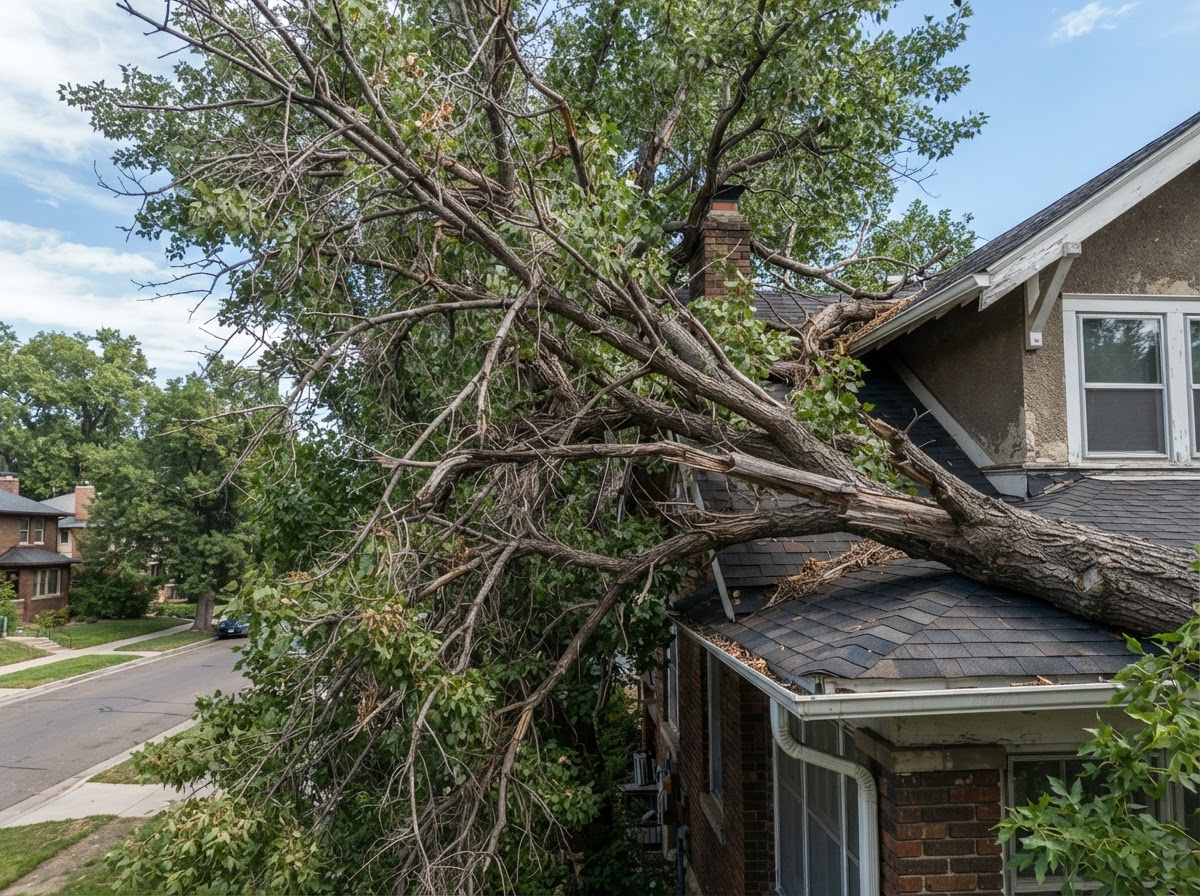
Some pruning should not wait for an ideal seasonal window. Dead, broken, hanging, or severely damaged branches can create immediate concerns for people, homes, vehicles, sidewalks, driveways, and neighboring property. Tree damage after heavy snow, wind, or storms should be evaluated promptly.
Situations that may need faster attention include:
- hanging branches
- freshly broken limbs
- split branch unions
- storm-damaged tops
- branches blocking access
- large dead branches over frequently used areas
- branches contacting or interfering with structures
If a branch is touching or near a power line, do not attempt to handle it yourself. Contact the appropriate utility or emergency authority.
How Does Denver Weather Affect Pruning Timing?
Denver trees grow in a climate that can change quickly. Dry periods, intense sun, sudden freezes, high winds, and heavy wet spring snow can all affect tree health and structure. Those conditions matter when deciding when and how much to prune.
Heavy Spring Snow
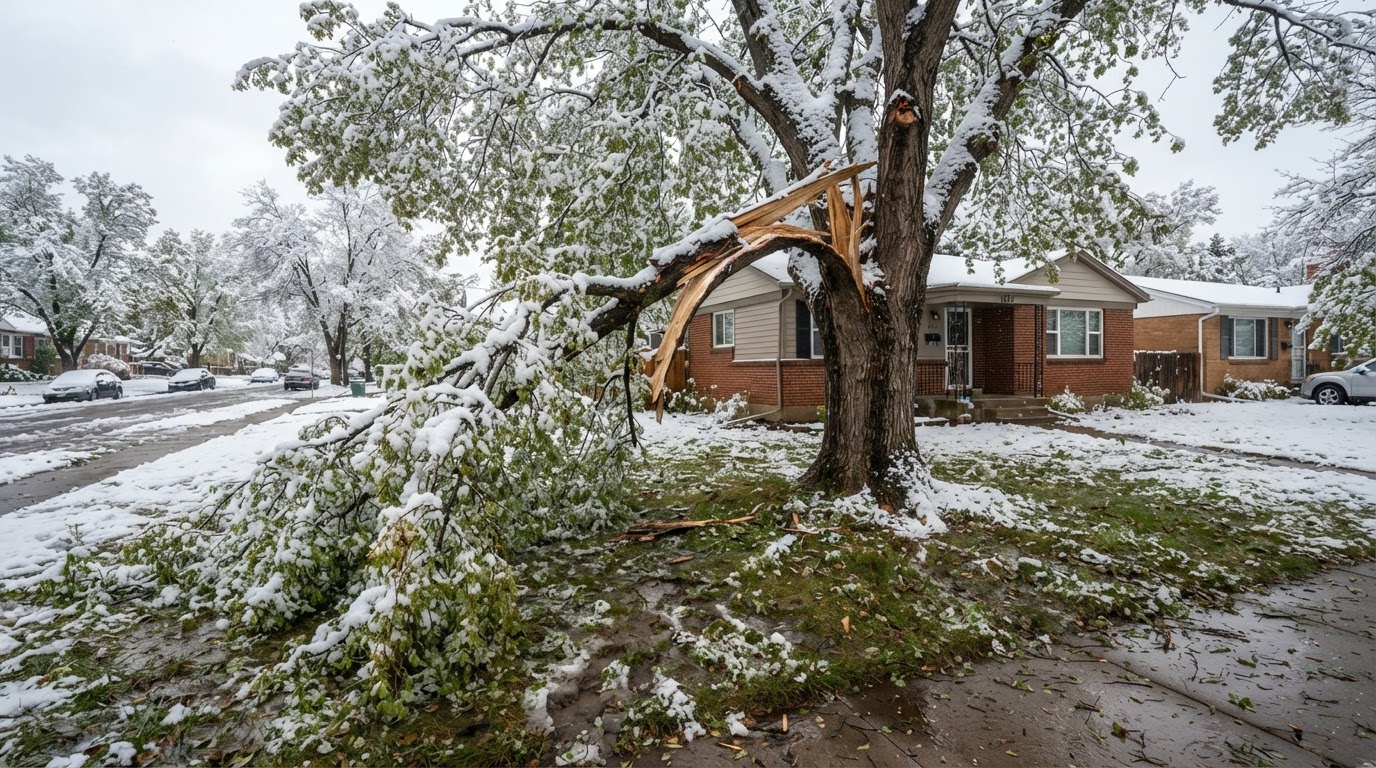
Wet snow can add significant weight to branches and expose weak attachments or structural defects. Pruning after storm damage may be necessary regardless of the normal seasonal schedule.
Drought Stress
Trees under drought stress may already be operating with reduced resources. Removing unnecessary live canopy from a stressed tree can add more stress, so the amount and timing of pruning should be considered carefully.
Sudden Temperature Changes
Rapid weather changes can affect tissues, buds, and branch condition. Pruning decisions should account for current weather and the tree's overall condition rather than following a fixed calendar date.
Mature Urban Trees
Large Denver trees often grow near homes, streets, sidewalks, driveways, fences, and utilities. The need for clearance or risk reduction may sometimes outweigh ideal seasonal timing.
Does Tree Species Change the Best Pruning Time?
Yes. Different tree species respond differently to pruning, and some have seasonal disease or insect concerns that affect when cuts should be made. That is one reason generic advice like "always prune in winter" can be misleading.
Species-specific pruning decisions may consider:
- growth habits
- flowering cycle
- disease susceptibility
- insect activity
- sap flow
- branch structure
- age and maturity
- how quickly the tree closes pruning wounds
If you are unsure what species you have or whether timing matters for that tree, an arborist can help identify it and recommend an appropriate pruning window.
How Often Should Trees Be Trimmed?
There is no single pruning schedule that fits every tree. Some young trees benefit from periodic structural pruning as they develop. Mature trees may go several years without needing significant pruning unless there is deadwood, storm damage, clearance conflict, or another specific concern.
Pruning frequency depends on:
- species
- tree age
- growth rate
- previous pruning
- branch structure
- property clearance needs
- storm exposure
- tree health
- the objective of the work
Tree Pros does not recommend pruning simply because a certain number of years have passed. The tree should have a reason to be pruned.
What Is the Difference Between Pruning and Topping?
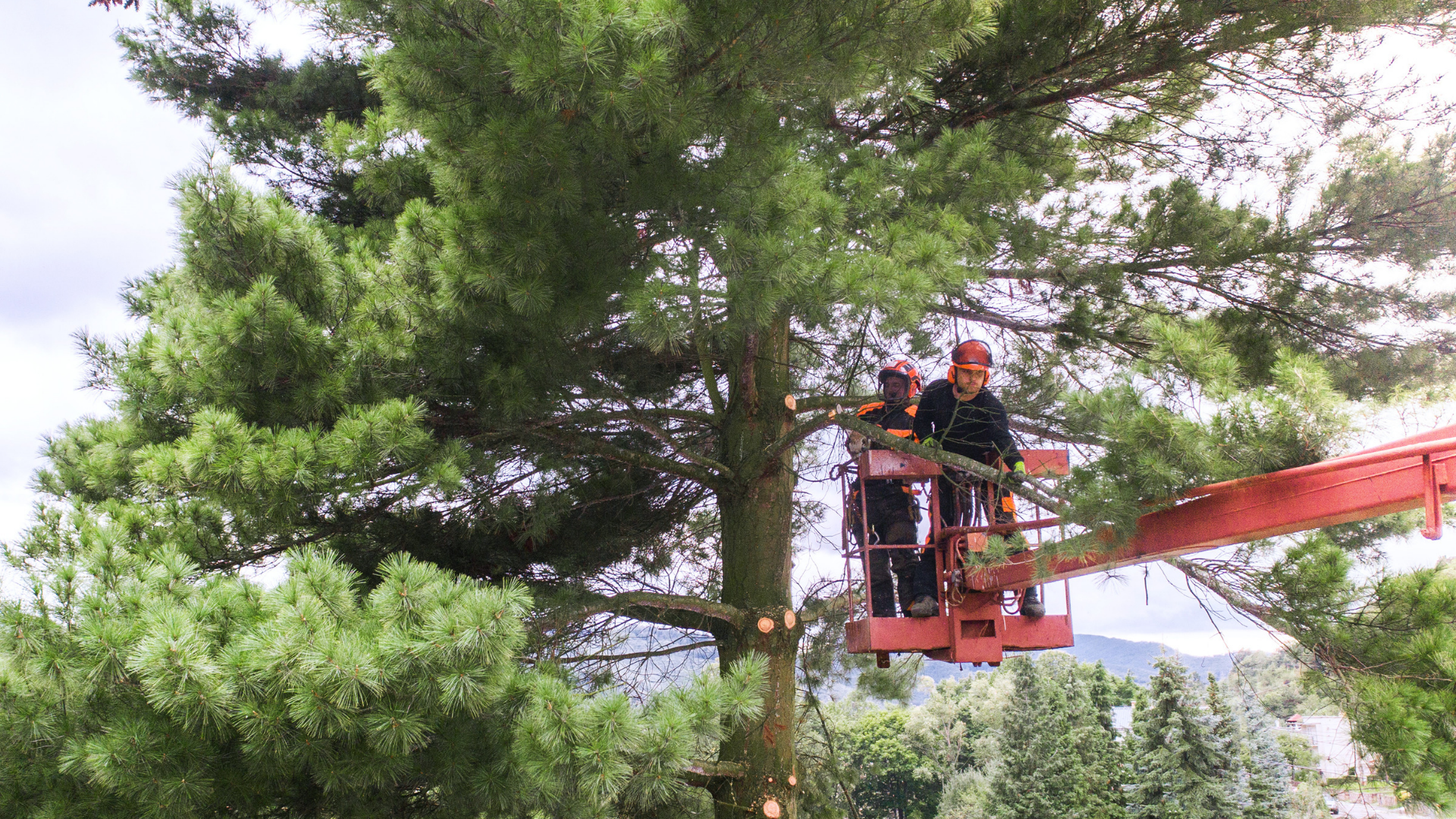
Professional pruning selectively removes branches for a specific purpose. That purpose may be improving structure, removing deadwood, creating clearance, addressing damage, or managing a specific defect.
Topping is different.
Topping typically removes large portions of the canopy or cuts major branches back to inappropriate points. This can lead to:
- weak regrowth
- large pruning wounds
- decay
- poor structure
- excessive sprouting
- loss of natural form
- long-term tree problems
Tree Pros does not recommend routine tree topping. Good pruning should improve the tree, not simply make it shorter.
Can You Prune a Tree Too Much?
Yes. Removing too much live canopy at one time can stress a tree and reduce its ability to produce energy through photosynthesis.
Excessive pruning may also:
- expose previously shaded branches and bark
- trigger excessive sprouting
- reduce stored energy
- change branch loading
- create unnecessary wounds
- affect long-term structure
The amount of live canopy that can reasonably be removed depends on the tree's age, condition, species, and pruning objective. A healthy young tree and a mature drought-stressed tree should not be treated the same way.
The goal is not to remove the maximum amount possible. The goal is to remove what helps accomplish the pruning objective while preserving the tree's health and structure.
Arborist-Led Pruning
How Tree Pros Decides When to Prune
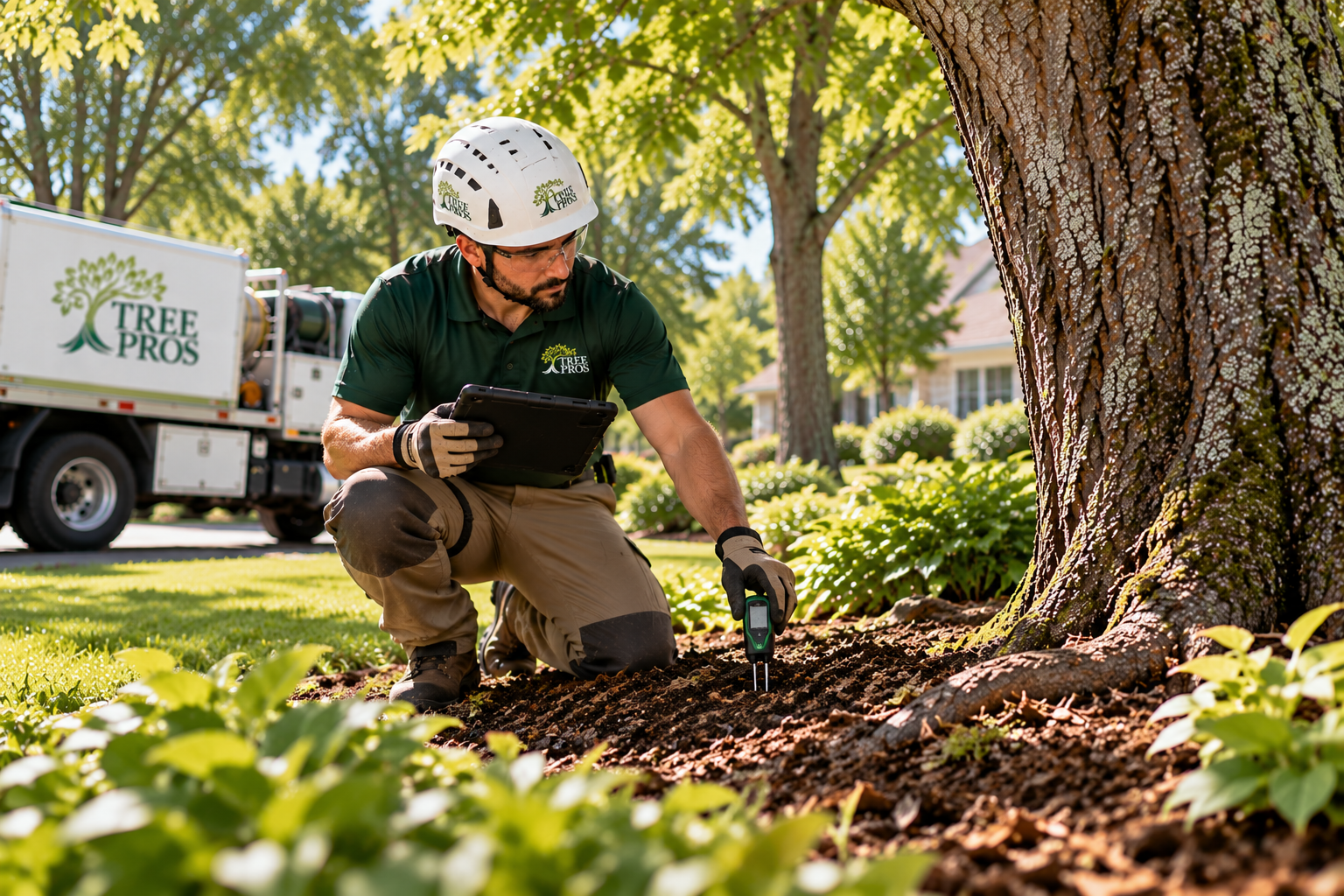
Tree Pros has served the Denver metro since 2003, and founder Paul Goin has worked professionally in tree care since 1981. Our team includes three ISA Certified Arborists, and every crew leader is an ISA Certified Arborist.
When we evaluate a tree for pruning, we look at more than the season. We consider:
- why the tree needs pruning
- species
- tree health
- branch structure
- storm damage
- deadwood
- clearance needs
- current stress
- surrounding property
- weather conditions
- long-term growth
Sometimes the recommendation is to prune now. Sometimes waiting for a better seasonal window makes sense. And sometimes the tree does not need pruning at all. That is why a recommendation should fit the tree, not the service list.
A Simple Guide for Denver Tree Owners
- 1
Start With the Reason for Pruning
Do not begin with the calendar. Begin with the problem you are trying to solve.
- 2
Check the Tree's Health
A stressed or declining tree may need a different pruning approach than a healthy tree.
- 3
Consider the Species
Species-specific disease, insect, flowering, and growth patterns can affect timing.
- 4
Separate Routine Work From Urgent Damage
Routine structural pruning can often be scheduled. Broken or hazardous branches may need immediate attention.
- 5
Avoid Unnecessary Cutting
If the tree does not need pruning, leaving it alone may be the best choice.
Reviewed for Tree Pros by arborist-led tree care professionals serving the Denver metro.