What Is the Average Cost to Remove a Tree in Denver?
Online pricing averages can provide a rough starting point, but they do not tell you what a particular tree will cost to remove. Current third-party Denver market data from Angi lists:
Typical reported range
$212 to $2,116
Reported average
About $694
Reported low end
About $159
Reported high end
More than $10,000 for unusually complex projects
These figures are general Denver market data, not a Tree Pros price list. Your actual cost can be lower or higher depending on the tree, property, access, condition, equipment requirements, and scope of work.
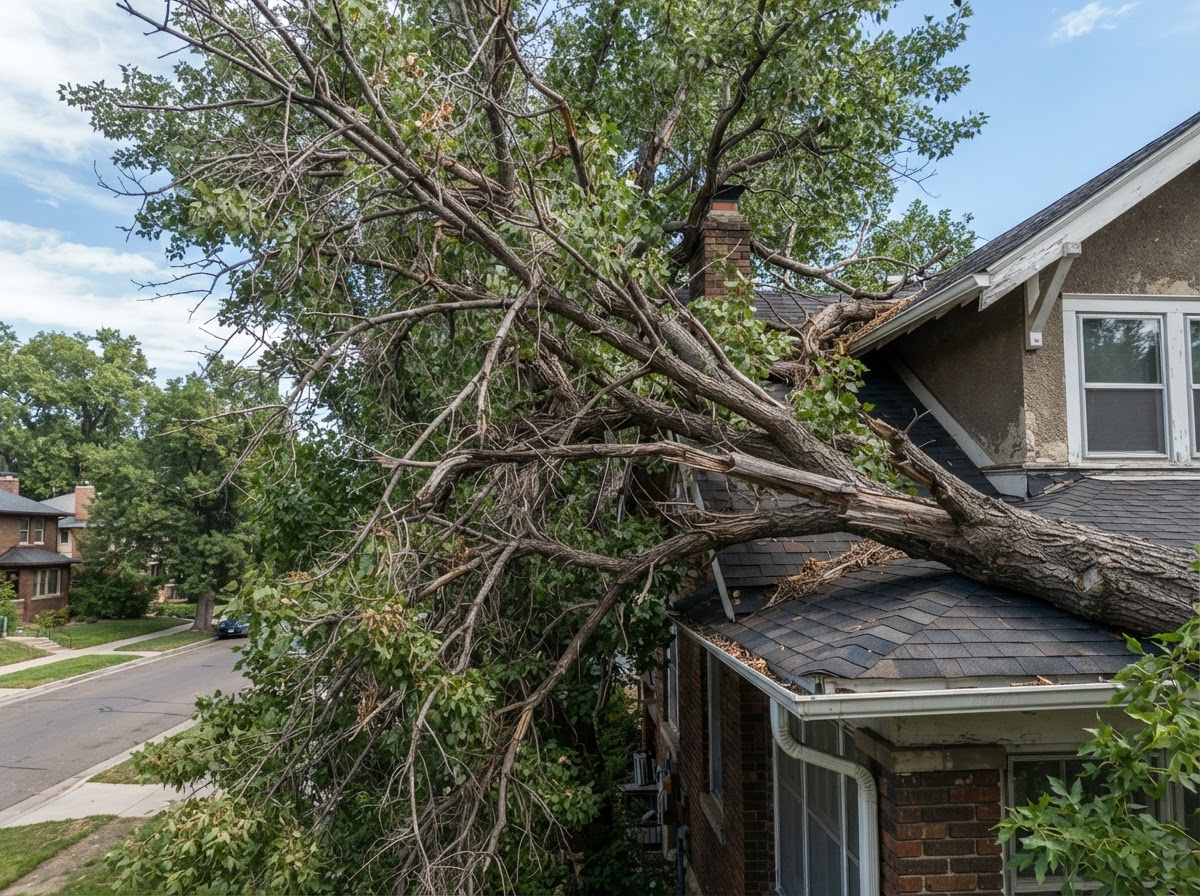
That wide range exists because removing a small tree in an open front yard is a very different project from removing a large mature tree over a home, fence, driveway, utility area, or neighboring property. Tree removal should be priced based on the actual work required.
What Affects the Cost of Tree Removal?
Tree size matters, but it is only one part of the estimate.
Tree Size
Larger and taller trees generally require more cutting, rigging, equipment, debris handling, and crew time than smaller trees.
Tree Condition
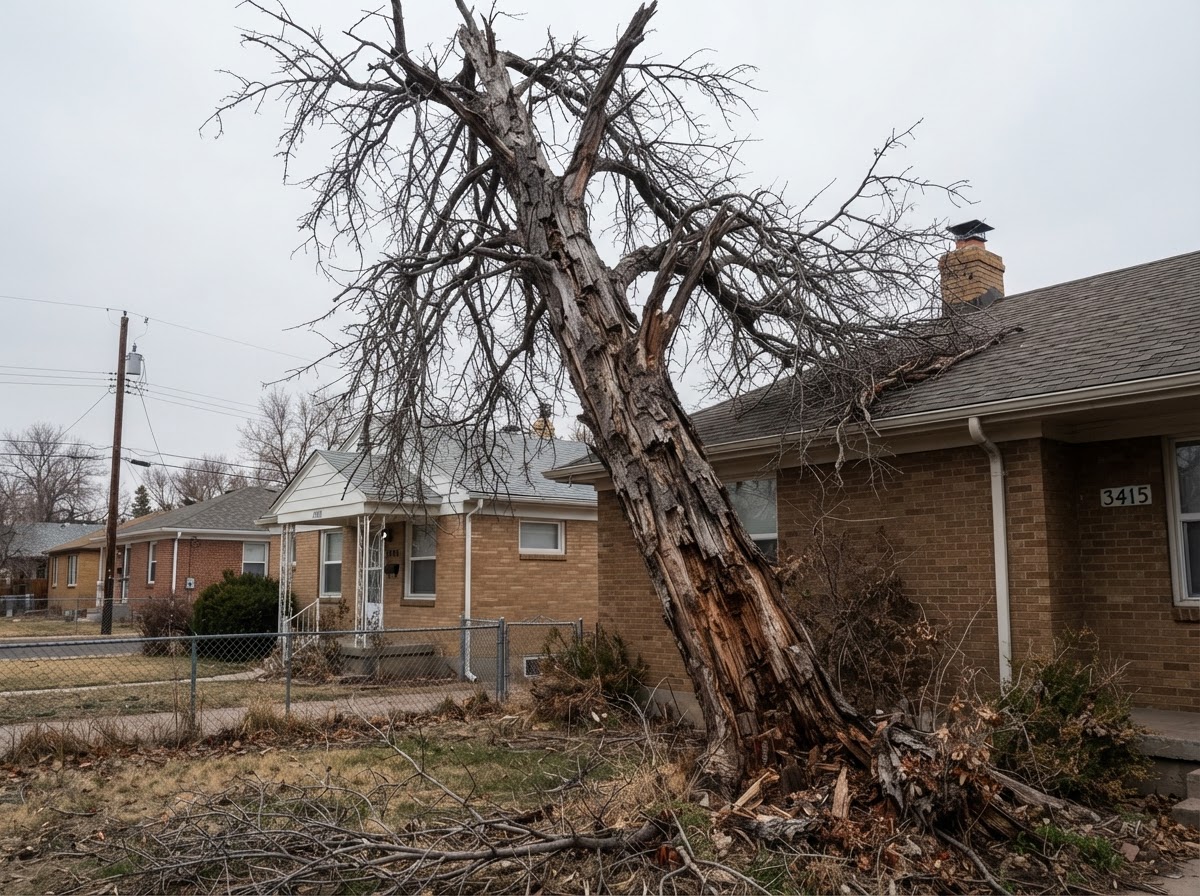
A healthy tree and a dead or severely declining tree can require very different removal approaches. Dead trees may have weakened wood or compromised branches that affect how the work can be performed.
Access
A tree next to a street or open driveway may be easier to access than a tree behind a home with narrow gates, landscaping, fences, or limited equipment access.
Location
Trees close to homes, garages, fences, neighboring properties, streets, sidewalks, and other structures often require more controlled removal.
Branch Structure
Wide-spreading canopies, multiple trunks, heavy limbs, weak attachments, and unusual growth patterns can increase the complexity of the work.
Equipment Requirements
Some removals can be completed with relatively straightforward equipment access. Others may require specialized rigging, aerial equipment, traffic coordination, or other planning.
Cleanup and Debris
The amount of wood, brush, and debris generated by a removal affects labor and hauling requirements.
Emergency Conditions
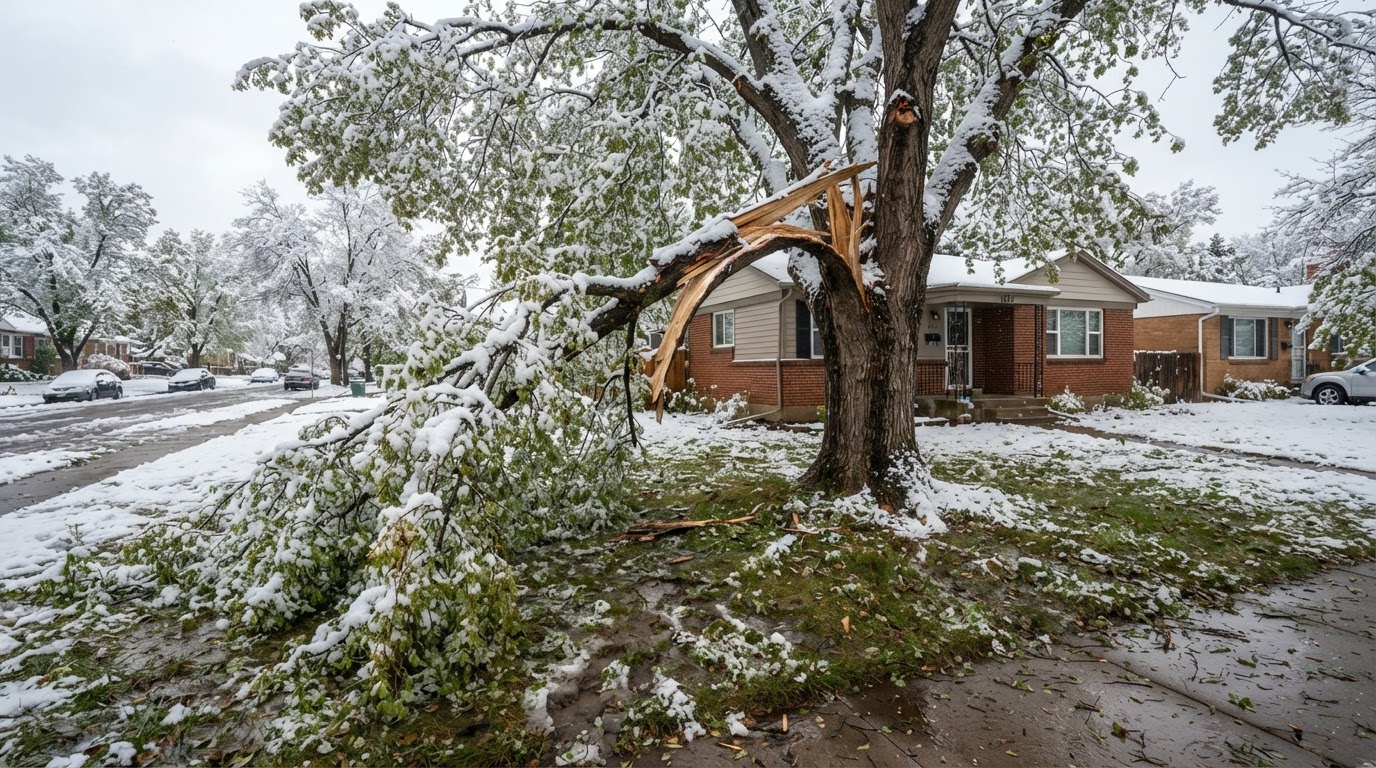
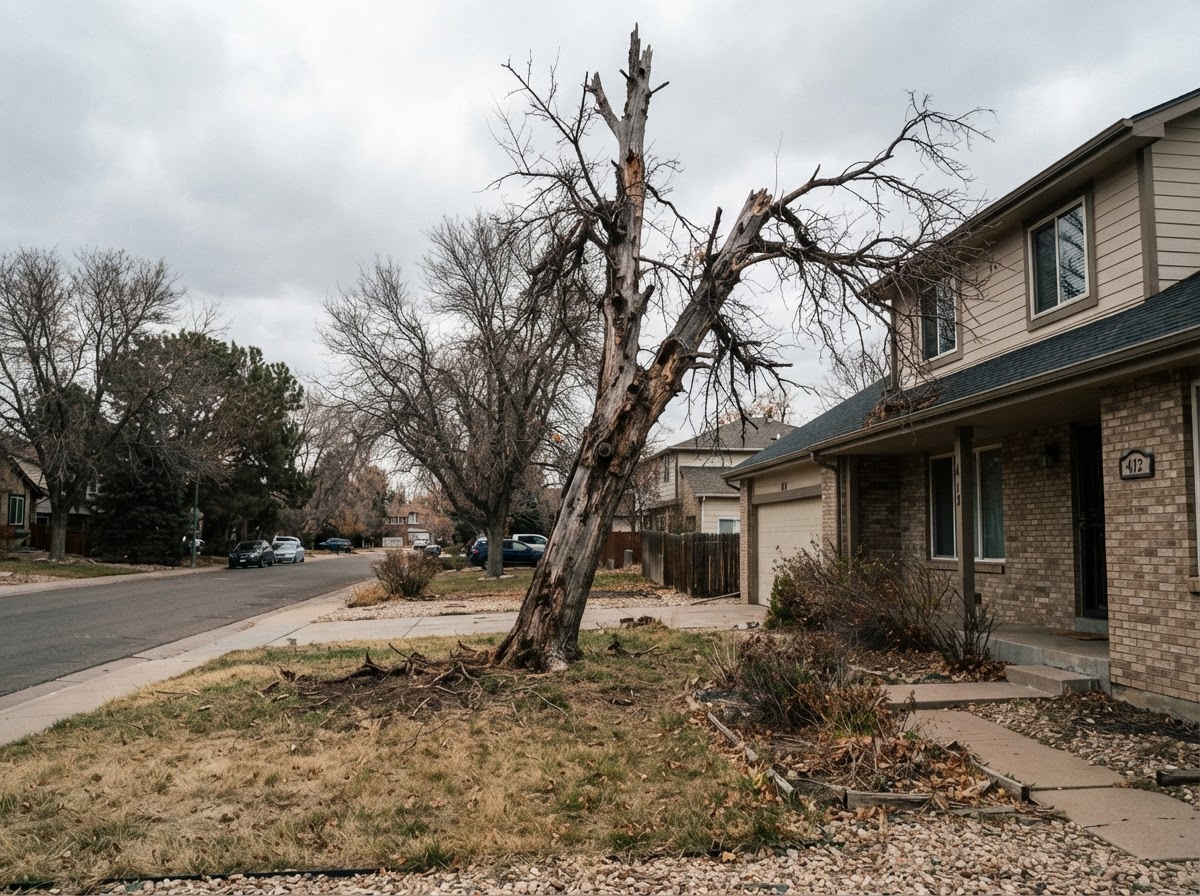
Storm-damaged or unstable trees can require a different approach than scheduled removal work.
Does Tree Height Determine the Price?
Tree height affects cost, but pricing a removal by height alone can be misleading. Two trees of similar height can require very different amounts of work.
For example, one may stand in an open front yard with straightforward access. Another may be surrounded by:
- a house
- garage
- fence
- landscaping
- neighboring property
- utility lines
- a narrow side yard
- a steep grade
- limited equipment access
The second tree may require significantly more controlled rigging and planning even if both trees are the same height. Diameter, canopy spread, branch structure, condition, access, and surroundings all matter.
Why Does Access Affect Tree Removal Cost?
Access can have a major effect on the amount of labor and equipment needed for a removal. Good access may allow equipment to get closer to the tree and make material handling more efficient. Restricted access can mean more work must be completed in smaller pieces and moved farther by hand or with specialized equipment.
Examples of access issues include:
- narrow gates
- fenced backyards
- trees behind homes
- limited driveway access
- retaining walls
- steep slopes
- dense landscaping
- neighboring structures
- restricted street access
The estimate should account for how the work will actually be completed on your property.
Does a Dead Tree Cost More to Remove?
Sometimes, but not always.
Dead or severely declining trees can become more difficult to work with as wood loses strength and branches become more brittle. That can change how the tree must be dismantled.
However, the final cost still depends on factors such as:
- size
- location
- access
- remaining structure
- amount of decay
- surrounding property
- equipment requirements
A dead tree standing in a large open area may be relatively straightforward. A dead tree over a home may require considerably more planning and controlled removal.
Does Emergency Tree Removal Cost More?
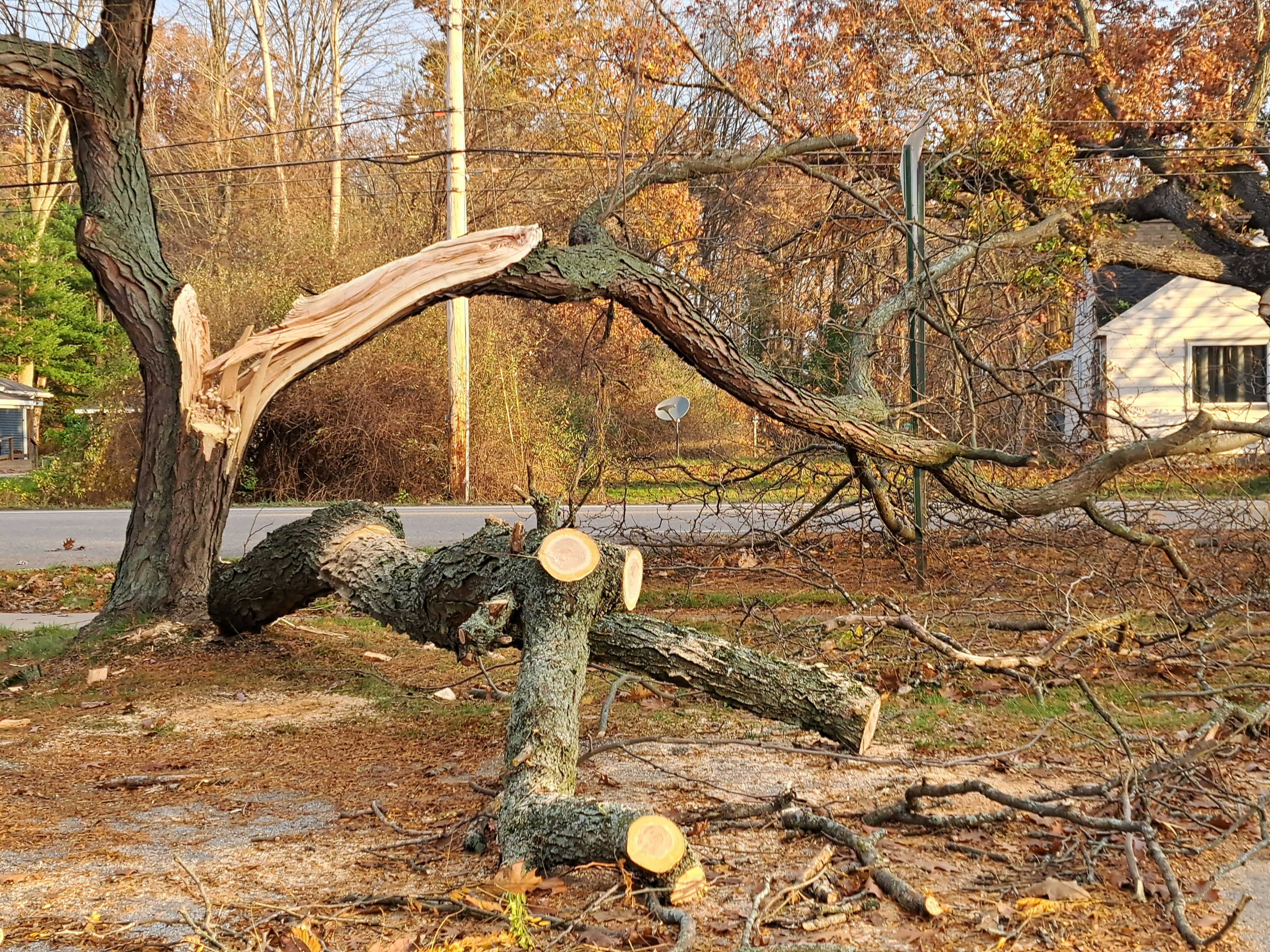
Emergency tree work can cost more than a scheduled removal because the circumstances are different. Storm-damaged trees may involve:
- broken suspended branches
- split trunks
- partial uprooting
- blocked driveways or roads
- damage over homes
- unstable tree sections
- after-hours response
- urgent mobilization
- additional hazards
The priority during an emergency is addressing the immediate condition safely and determining what work needs to happen first. Tree Pros provides 24/7 emergency tree service throughout the Denver metro.
Can Pruning Be a Better Option Than Removal?
Sometimes.
A tree should not be removed simply because removal is one of the available services. If the tree is reasonably healthy and the concern can be addressed through appropriate pruning, plant health care, monitoring, or another management option, preservation may make more sense.
Examples can include:
- dead branches
- clearance problems
- crossing branches
- limited storm damage
- specific structural concerns
- some insect or disease problems
- canopy management
That does not mean every tree can or should be saved. Severe decay, major structural problems, extensive root damage, advanced decline, or an unacceptable risk may make removal the practical recommendation. The first question should be what the tree actually needs.
Does Tree Removal Include Stump Grinding?
No. Tree Pros does not provide stump grinding.
The tree removal estimate should clearly explain the Tree Pros scope of work so you know what is and is not included.
Do You Need a Permit to Remove a Tree in Denver?
Permit requirements depend on where the tree is located and the circumstances surrounding the removal. Trees located in Denver's public right-of-way are regulated by the Office of the City Forester.
Denver states that a permit is required for removal of public right-of-way trees, and adjoining property owners are generally responsible for the care of those street trees. Additional tree-preservation requirements can apply to certain development or construction projects.
A tree growing entirely on ordinary private property should not automatically be described as requiring the same permit. If there is any question about whether a tree is within the public right-of-way or subject to City Forestry requirements, confirm that before removal.
Source: City and County of Denver, Office of the City Forester.
How Can You Get an Accurate Tree Removal Estimate?
The best estimate comes from evaluating the actual tree and property. Tree Pros looks at factors including:
- tree size
- tree species
- overall condition
- branch structure
- trunk condition
- location
- access
- surrounding structures
- property protection requirements
- equipment needs
- amount of debris
- scope of cleanup
- any unusual site conditions
That information allows the estimate to reflect the work that is actually required rather than a generic online price.
Why Are Tree Removal Estimates So Different?
Homeowners sometimes receive estimates that vary significantly. That does not always mean one company is simply charging more for the same work. The proposed scope may be different.
When comparing estimates, look at what each company is actually including. Consider questions such as:
- Is the entire tree being removed?
- What cleanup is included?
- How will surrounding property be protected?
- Is debris removal included?
- What equipment is planned?
- Is the company insured?
- Who is evaluating the tree?
- Does the recommendation explain why removal is needed?
- Are there alternatives to removal?
A lower number is not necessarily the same scope of work. Compare the work being proposed, not only the final price.
Tree Removal Guided by Arborists
How Tree Pros Approaches Tree Removal
Tree Pros has served the Denver metro since 2003, and founder Paul Goin has worked professionally in tree care since 1981. Our team includes three ISA Certified Arborists, and every crew leader is an ISA Certified Arborist.
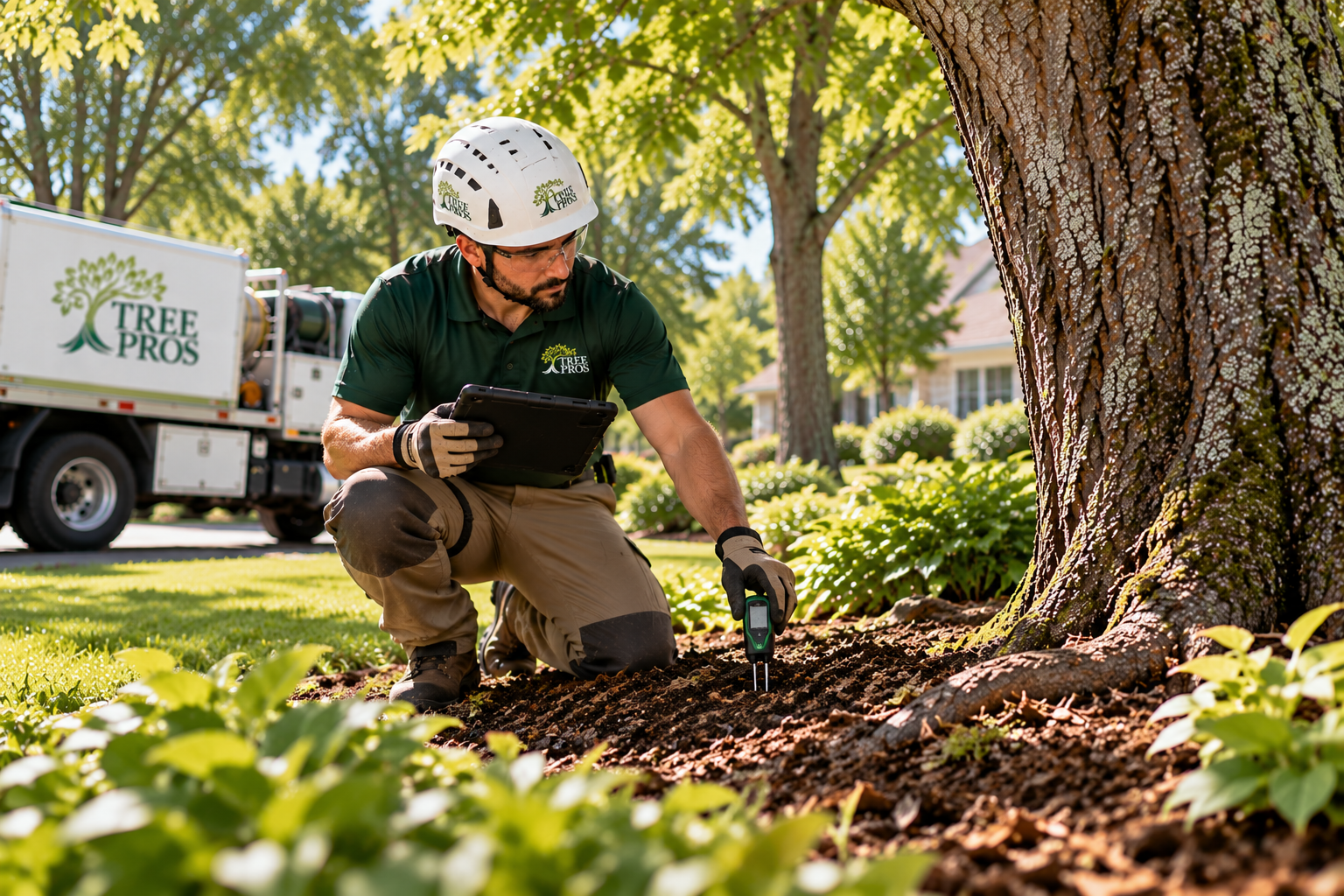
Before recommending removal, we look at the tree's condition, structure, location, surrounding property, and reasonable alternatives. If a tree can reasonably be preserved, we will say so. If removal is the practical option, we explain why and provide a clear estimate for the work.
A recommendation should fit the tree, not the service list.
Questions to Ask Before Hiring a Tree Removal Company
- Is the company insured?
- Will the tree be evaluated before removal?
- What exactly is included in the estimate?
- How will surrounding property be protected?
- What happens to branches and wood after removal?
- Who will be leading the work?
- Does the company have Certified Arborists on staff?
- Is cleanup included?
- Are any permits or special arrangements required?
- Is removal actually necessary?
Tree Pros has three ISA Certified Arborists on staff, and every crew leader is an ISA Certified Arborist.
Reviewed for Tree Pros by arborist-led tree care professionals serving the Denver metro.