How Can You Tell if a Tree Is Dead?
A completely dead tree will no longer have living tissue capable of producing new leaves, shoots, or healthy growth. But determining that from the ground is not always simple.
A tree may have some dead branches while the rest of the tree is still alive. A tree may also look dead during winter dormancy even though healthy buds and living tissue remain.
Instead of relying on one symptom, look at:
- canopy growth
- buds
- branch flexibility
- bark condition
- living tissue beneath small twigs
- new shoots
- trunk condition
- root-zone changes
- the amount and location of deadwood
A Certified Arborist can determine whether the tree is dead, partially declining, dormant, or suffering from another problem.
What Are the Most Common Signs of a Dying Tree?
Thinning Canopy
A canopy that becomes noticeably thinner from year to year can indicate stress or decline. Look for areas that are producing fewer leaves than the rest of the tree.
Dead Branches
A few dead branches do not necessarily mean the entire tree is dying. Widespread deadwood throughout the canopy is more concerning, especially when it continues to increase.
Branches That Do Not Leaf Out
Branches that remain bare well after the rest of the tree has leafed out may be dead. Compare several areas of the canopy rather than relying on one branch.
Bark Changes
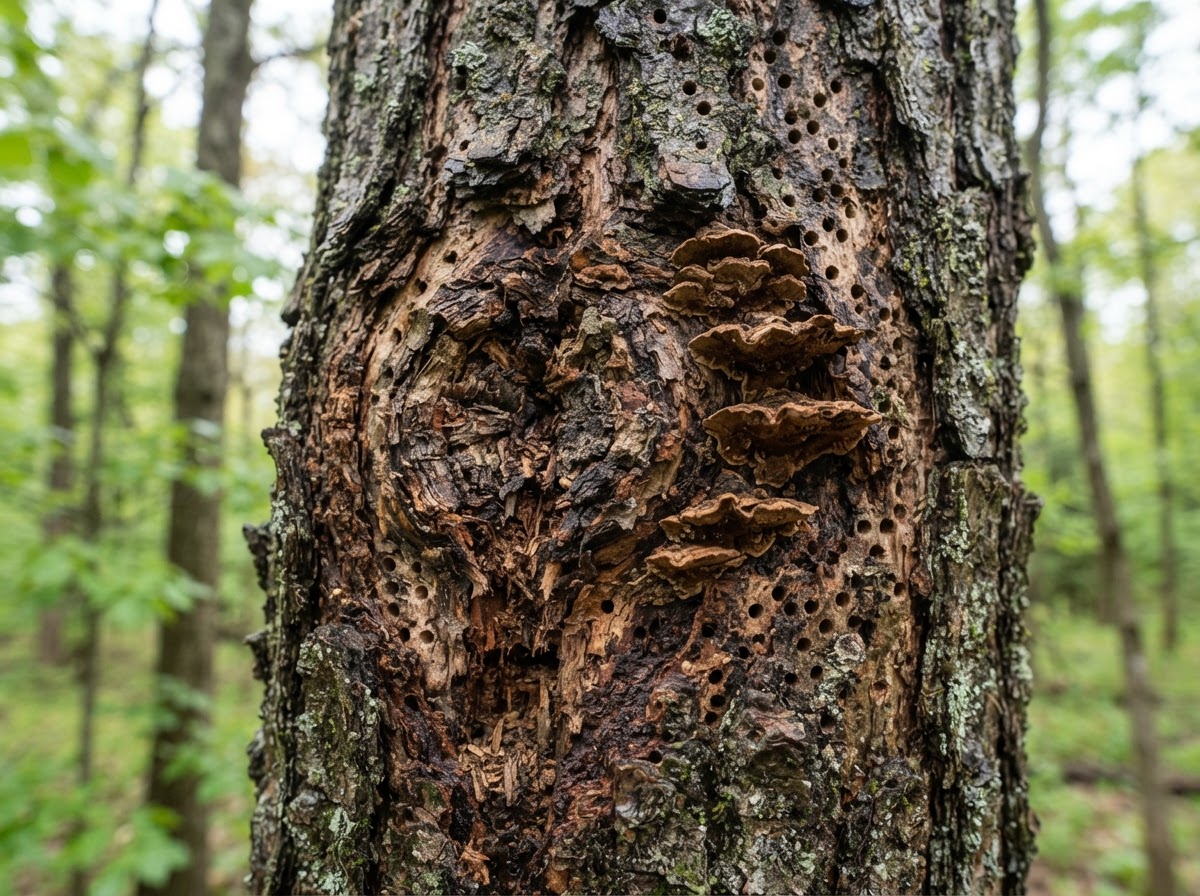
Loose, missing, cracked, or separating bark can sometimes indicate underlying damage. Bark symptoms vary by species, so peeling bark alone does not prove a tree is dying.
Fungal Growth
Mushrooms or fungal structures near the trunk or root zone can sometimes indicate decay. Not every fungus means the tree is unsafe, but significant decay around the trunk or roots deserves professional evaluation.
Trunk Cracks or Cavities
Large cracks, cavities, decay, or damaged trunk tissue can affect tree structure and may become more concerning when combined with canopy decline.
Unusual Lean or Root Movement
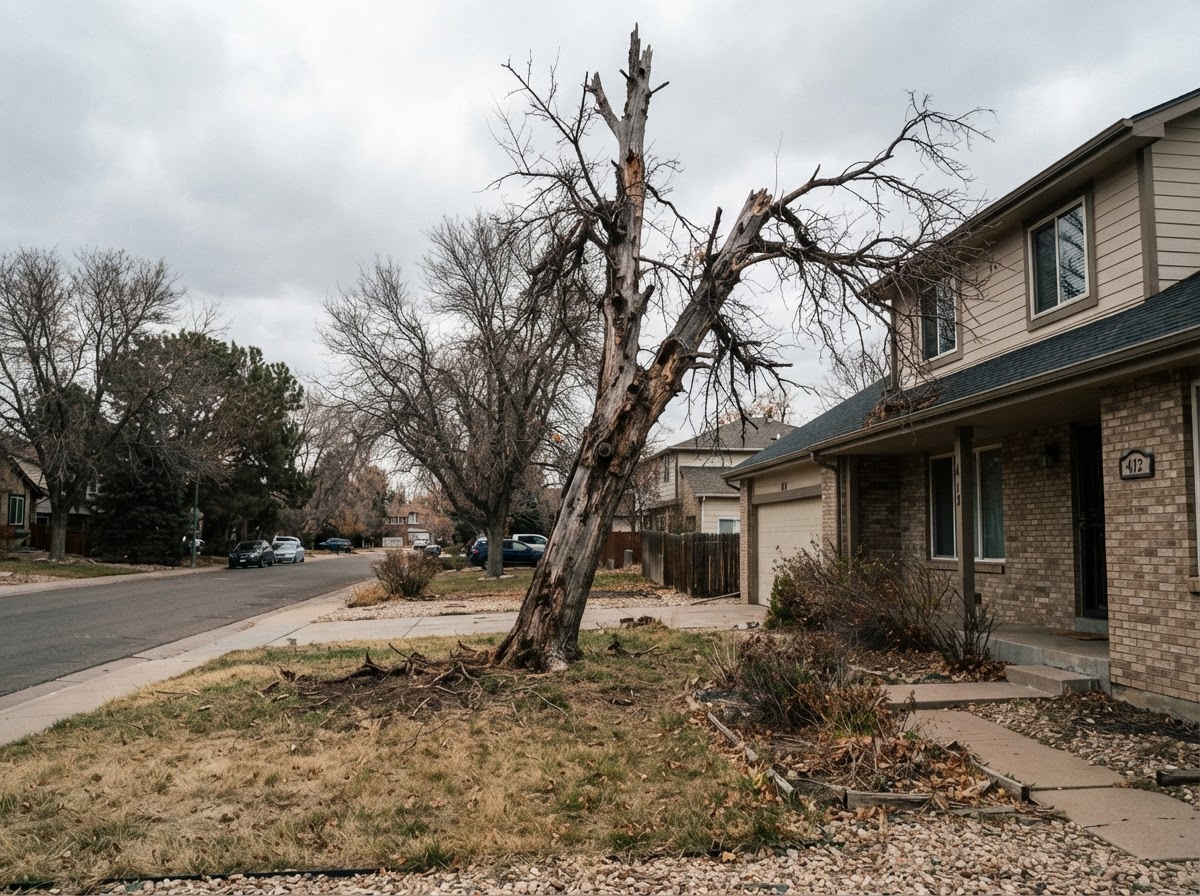
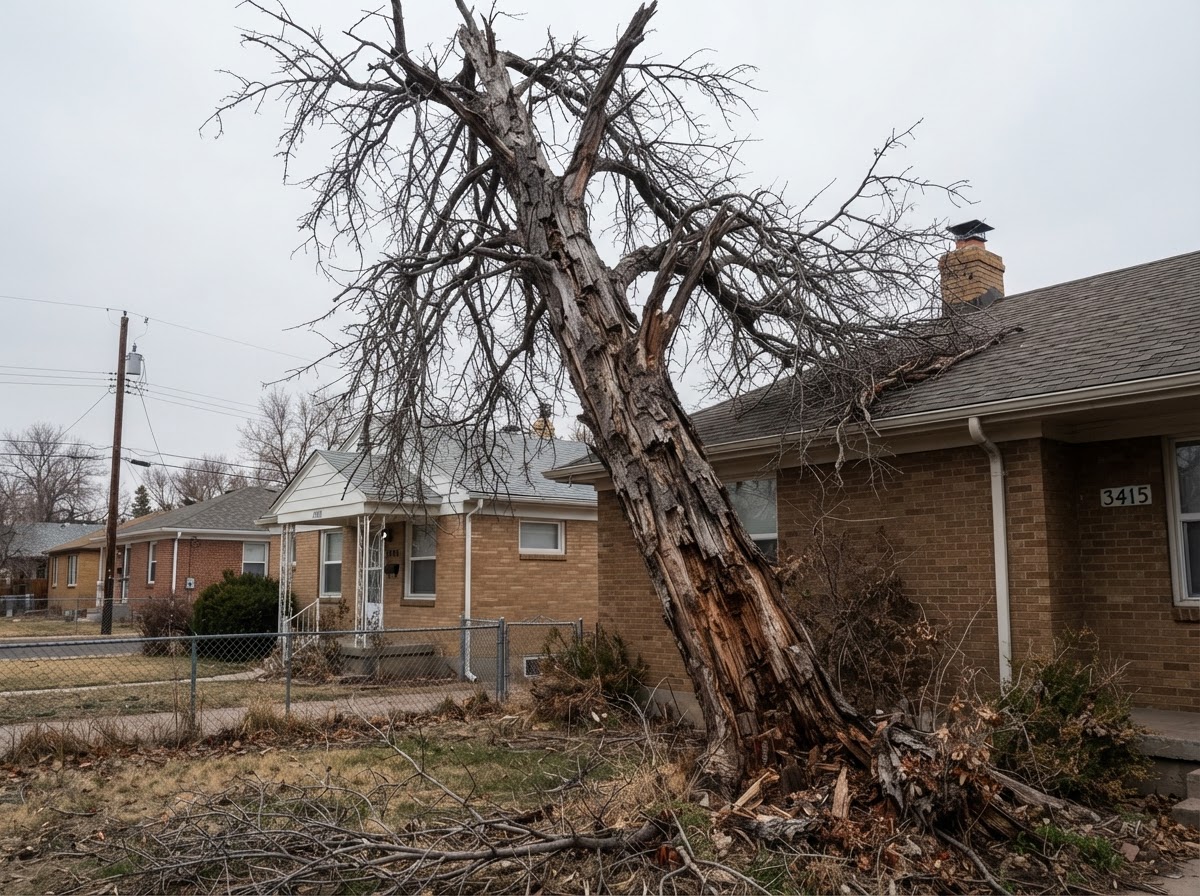
A new or increasing lean, lifted soil, exposed roots, or movement around the root plate can indicate a structural problem that should be evaluated promptly.
Is the Tree Dead or Just Dormant?
Dormancy is one of the most common reasons homeowners think a living tree is dead. Many deciduous trees lose their leaves in fall and remain bare through winter. A dormant tree may look lifeless above ground while living tissues remain healthy.
Signs that a tree may simply be dormant include:
- healthy buds
- flexible smaller twigs
- green or moist living tissue beneath the outer surface of a small twig
- normal seasonal leaf loss
- similar growth patterns on other trees of the same species
If you are checking a small twig, avoid damaging large branches or stripping significant bark from the tree. When spring growth begins, healthy buds should start expanding and producing new growth.
What Is the Scratch Test?
The scratch test is sometimes used on small twigs or young branches to look for living tissue beneath the outer surface. Living tissue is often moist and greenish underneath. Dry, brittle, brown tissue may indicate that the twig is dead.
However, the scratch test has limitations.
One dead twig does not mean the entire tree is dead. Avoid cutting or scratching large areas of bark from the trunk or major branches. For mature trees, canopy condition, buds, branch structure, trunk condition, roots, and overall tree health provide a better picture than a single scratch test.
Can a Tree Have Dead Branches and Still Be Healthy?
Yes. A living tree can have individual dead branches for many reasons.
Common causes include:
- normal branch shedding
- storm damage
- shading
- drought stress
- previous injury
- insects
- disease
- root problems
- freeze damage
The location and amount of deadwood matter. One small dead branch is very different from widespread dieback across the upper canopy. Dead branches may still need pruning when they could fall onto people, vehicles, buildings, sidewalks, or other frequently used areas.
Why Is My Tree Dying From the Top Down?
Decline that begins near the top of the canopy can have several possible causes. The upper canopy is often where reduced water movement, vascular problems, root stress, insects, or other health issues first become visible.
Possible causes can include:
- drought stress
- root damage
- soil problems
- wood-boring insects
- vascular disease
- construction damage
- compacted soil
- freeze injury
- advanced decline
Top-down dieback is a symptom, not a diagnosis. The underlying cause should be identified before treatment is recommended.
Can a Dying Tree Be Saved?
Sometimes. Whether a declining tree can recover depends on what is causing the problem and how far the decline has progressed. A tree may have reasonable preservation options when the underlying problem can be corrected or managed and enough healthy structure remains.
Possible recommendations may include:
- monitoring
- proper watering
- soil or root-zone management
- selective pruning
- insect management
- disease management
- plant health care
- reducing environmental stress
In other cases, severe structural defects, extensive decay, widespread canopy loss, major root damage, or advanced decline may make preservation unrealistic. Tree Pros evaluates the tree before recommending treatment or removal. That means the recommendation should fit the tree, not the service list.
When Does a Dying Tree Need to Be Removed?
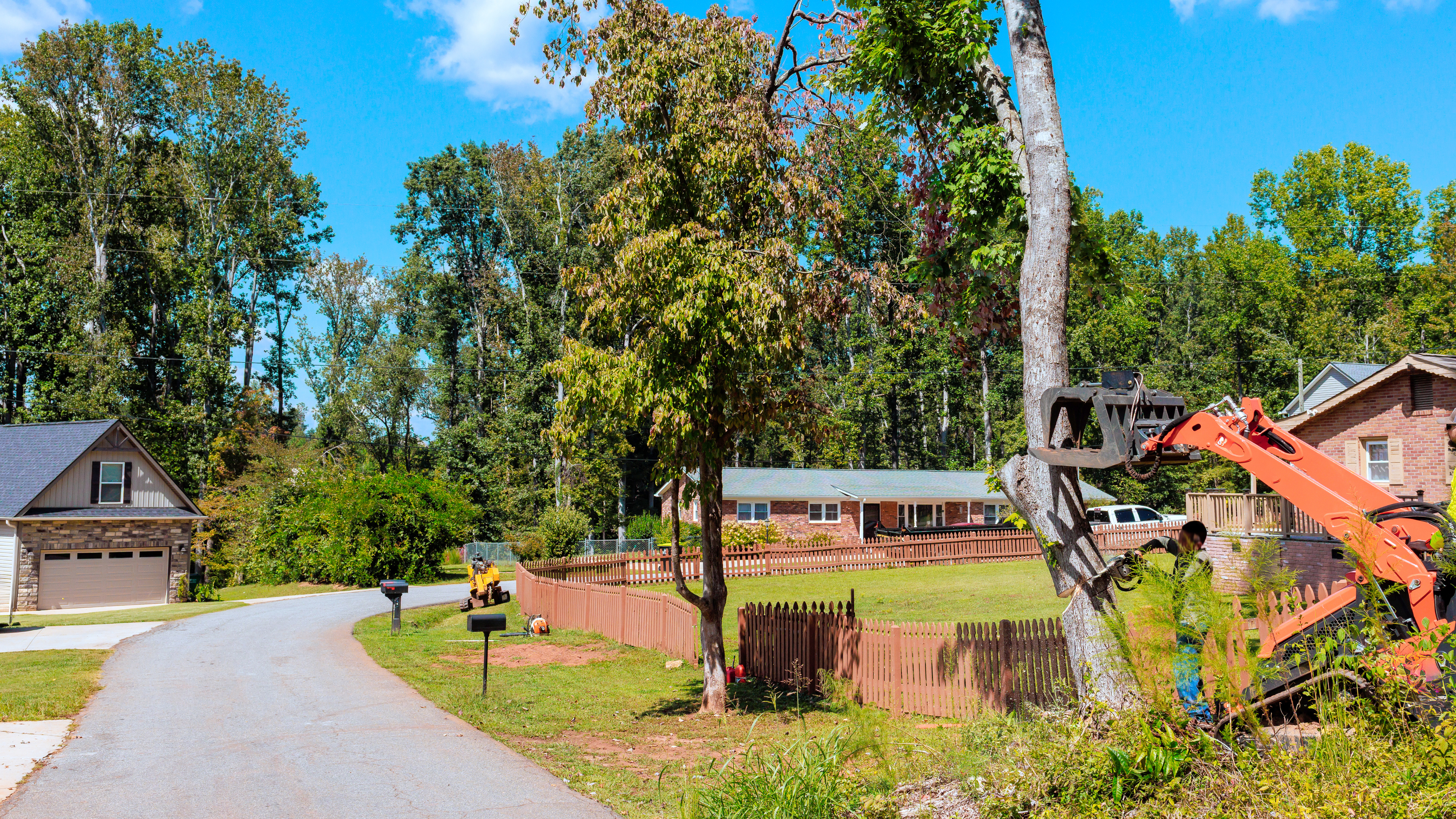
Decline alone does not automatically mean a tree needs removal. Removal becomes more likely when the tree has serious structural problems, extensive decay, severe root damage, widespread canopy death, or a condition that cannot reasonably be managed.
Location also matters. A declining tree in an open area presents a different situation from a declining tree over a home, driveway, sidewalk, street, or frequently used yard.
An arborist may consider:
- amount of living canopy
- trunk condition
- major branch structure
- root condition
- decay
- lean
- location
- surrounding targets
- species
- overall health
- likelihood of recovery
Removal should be based on the condition and reasonable future of the tree, not simply its appearance.
When Is a Dying Tree an Emergency?
Some tree problems deserve immediate attention.
Call for prompt evaluation if you notice:
- a tree suddenly leaning
- fresh root movement or lifted soil
- a split trunk
- a major hanging branch
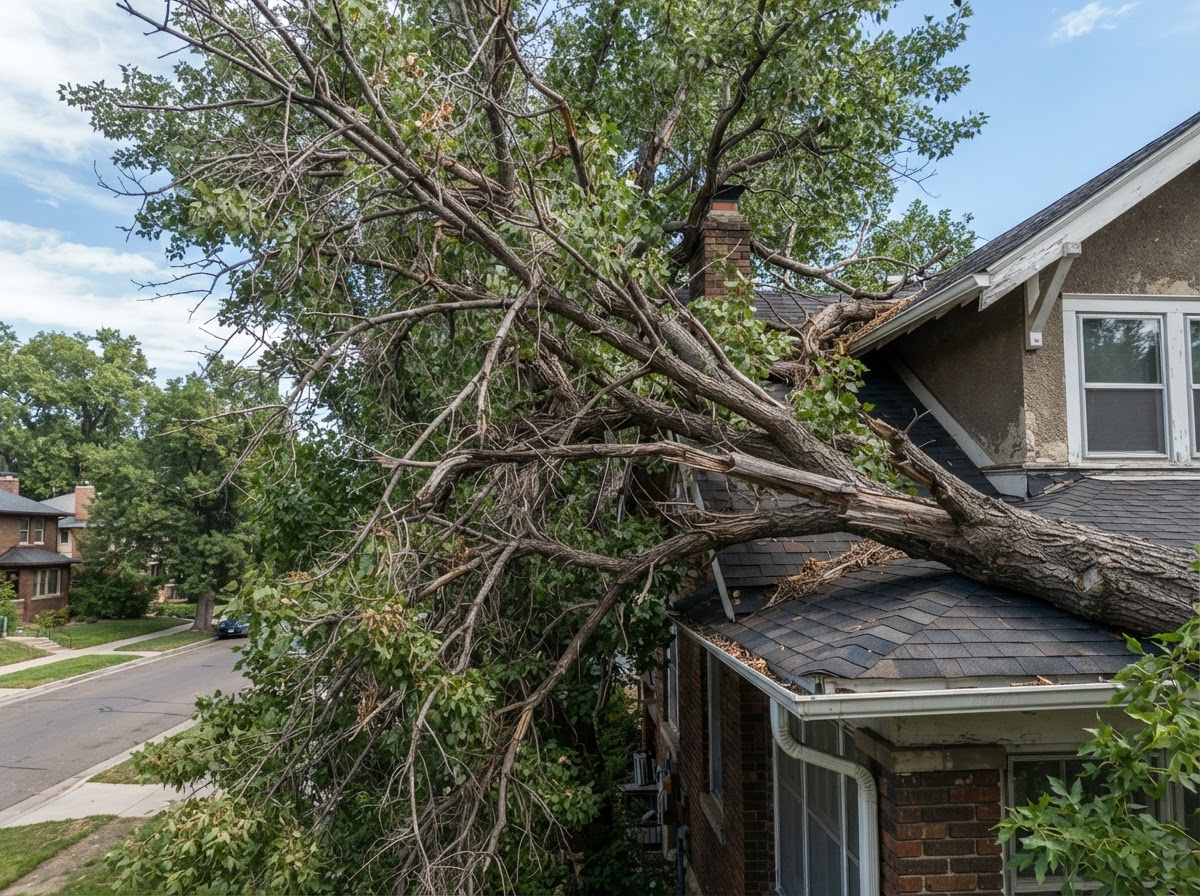
- large broken limbs
- storm damage above a home or occupied area
- a partially uprooted tree
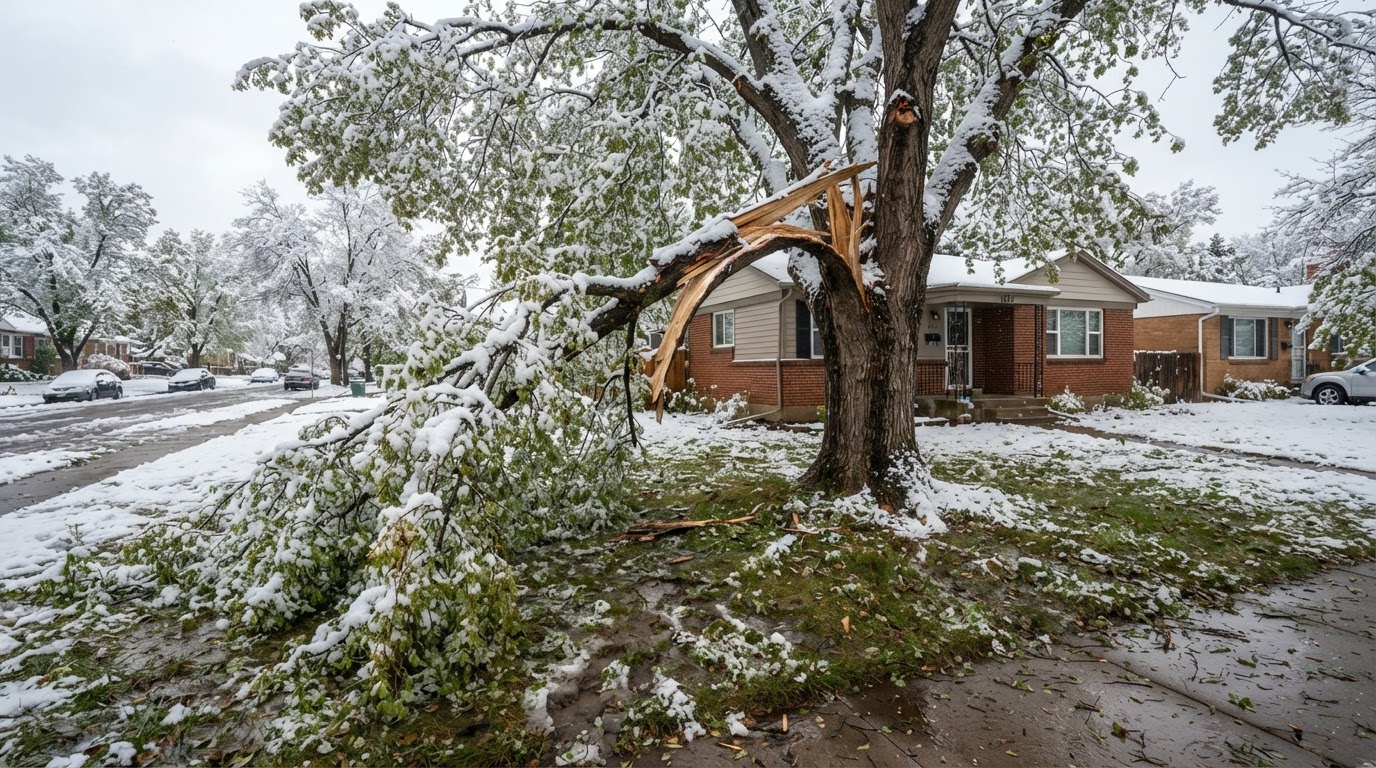
- major structural changes after wind or heavy snow
If a tree or branch is contacting a power line, stay away and contact the appropriate utility or emergency authority. Tree Pros provides 24/7 emergency tree service throughout the Denver metro.
Why Denver Trees Can Show Stress Without Being Dead
Denver-area trees deal with conditions that can make healthy or recoverable trees look distressed. These include:
- dry air
- periods of drought
- heavy wet snow
- rapid temperature changes
- freeze injury
- compacted urban soils
- limited rooting space
- construction activity
- insect pressure
- disease
A tree may drop leaves, lose individual branches, or develop a thin canopy while still having living tissue and a reasonable chance of recovery. That is why diagnosis matters before deciding a tree is dead.
Arborist Evaluation
How Tree Pros Evaluates a Declining Tree
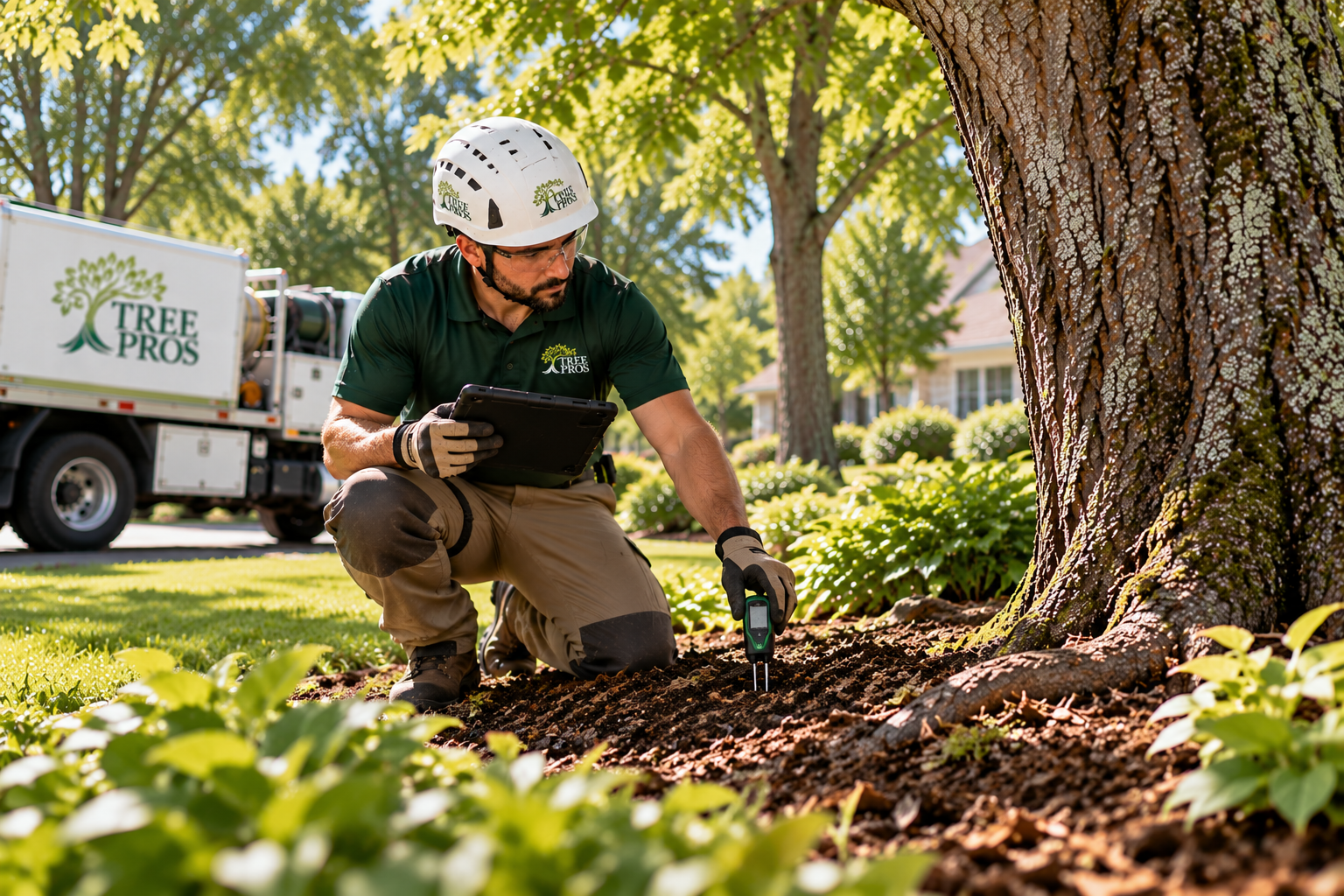
Tree Pros has served the Denver metro since 2003, and founder Paul Goin has worked professionally in tree care since 1981. Our team includes three ISA Certified Arborists, and every crew leader is an ISA Certified Arborist.
When we evaluate a tree that appears to be dying, we look at the entire tree and its surroundings. That can include:
- canopy density
- deadwood
- buds and new growth
- branch structure
- trunk condition
- bark
- roots and root flare
- signs of insects
- disease symptoms
- soil and site conditions
- storm damage
- previous pruning
- nearby structures and property use
The goal is to determine what is actually happening before recommending the next step.
Reviewed for Tree Pros by arborist-led tree care professionals serving the Denver metro.
What Should You Do if You Think a Tree Is Dying?
- 1
Look at the Whole Tree
Do not assume one dead branch means the entire tree is dead.
- 2
Compare the Canopy
Look for areas with reduced foliage, dead branches, or growth that differs from the rest of the tree.
- 3
Check for Recent Changes
New lean, storm damage, sudden branch death, bark changes, or rapid canopy thinning deserve closer attention.
- 4
Avoid Guessing at Treatment
Several tree problems produce similar symptoms. Diagnosis should come before insect treatment, disease treatment, or removal.
- 5
Have the Tree Evaluated if You Are Unsure
A professional evaluation can help determine whether the tree is dormant, stressed, declining, structurally compromised, or dead.