What Is an Arborist?
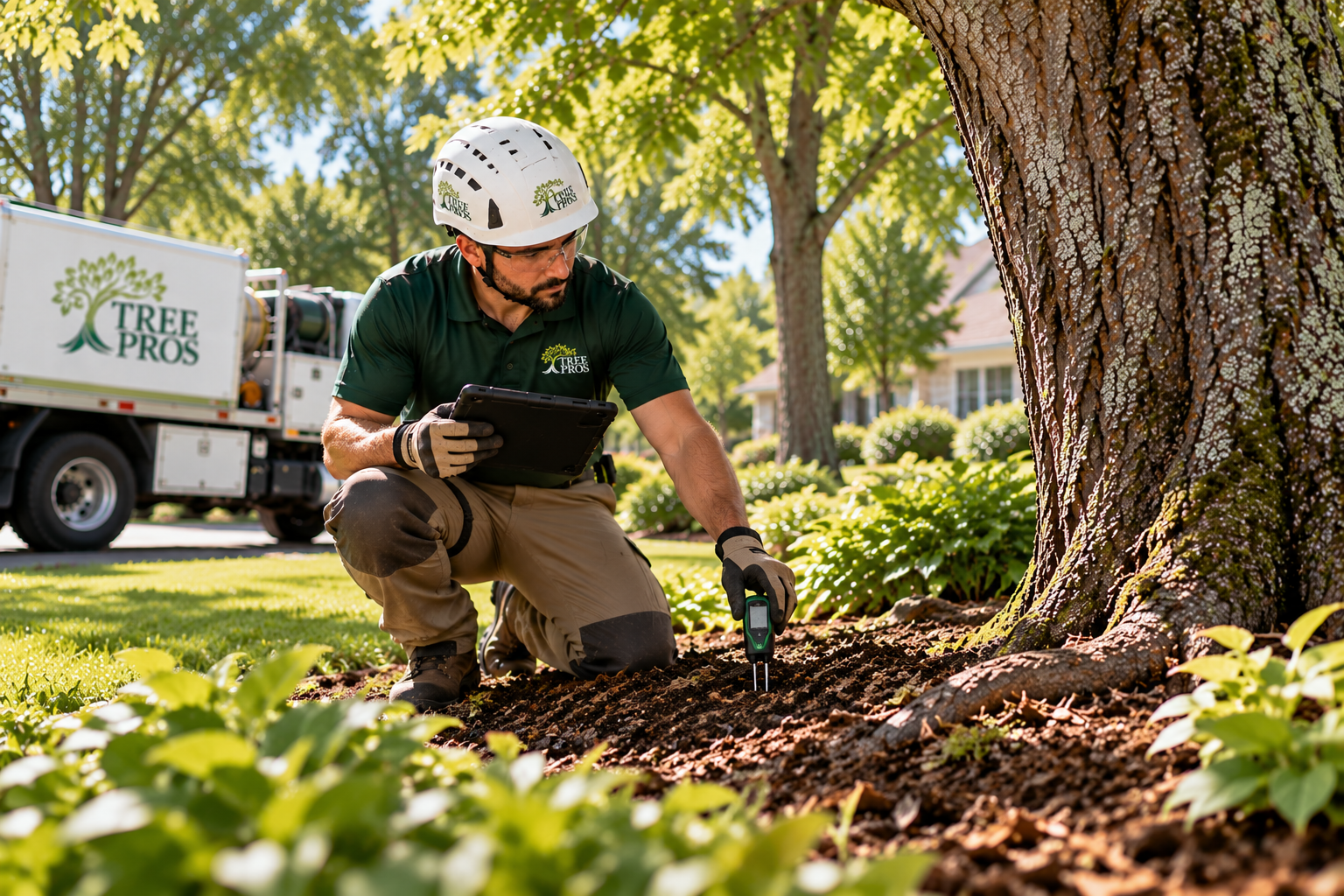
An arborist is a professional who specializes in the care and management of trees. Arboriculture focuses on individual trees and woody plants rather than forests as a whole.
An arborist may work with:
- tree health
- pruning
- structural problems
- insects
- disease
- roots
- soil conditions
- storm damage
- tree preservation
- tree removal decisions
- planting
- risk concerns
- long-term tree management
The work is not simply cutting branches. A major part of arboriculture is understanding what a tree is doing, why it is doing it, and what action is appropriate.
What Is an ISA Certified Arborist?
ISA Certified Arborist is a professional credential administered by the International Society of Arboriculture. Certification requires applicants to meet experience or education requirements and pass an examination covering multiple areas of arboriculture.
Those areas include subjects such as:
- tree biology
- tree identification
- soil and water
- nutrition
- pruning
- diagnosis
- plant health care
- tree risk
- installation and establishment
- tree protection
- safe work practices
Certification does not mean every Certified Arborist will make the same recommendation. It does mean the arborist has demonstrated a defined level of arboricultural knowledge and is expected to maintain continuing education to keep the credential current.
Tree Pros has three ISA Certified Arborists on staff, and every crew leader is an ISA Certified Arborist.
What Does an Arborist Look at When Evaluating a Tree?
A good tree evaluation goes beyond one symptom. An arborist may look at:
- tree species
- age and maturity
- canopy density
- leaf color
- dead branches
- branch attachments
- trunk condition
- bark
- cracks
- decay
- cavities
- roots
- root flare
- soil
- watering conditions
- construction history
- storm damage
- insect activity
- disease symptoms
- previous pruning
- nearby structures
- site use
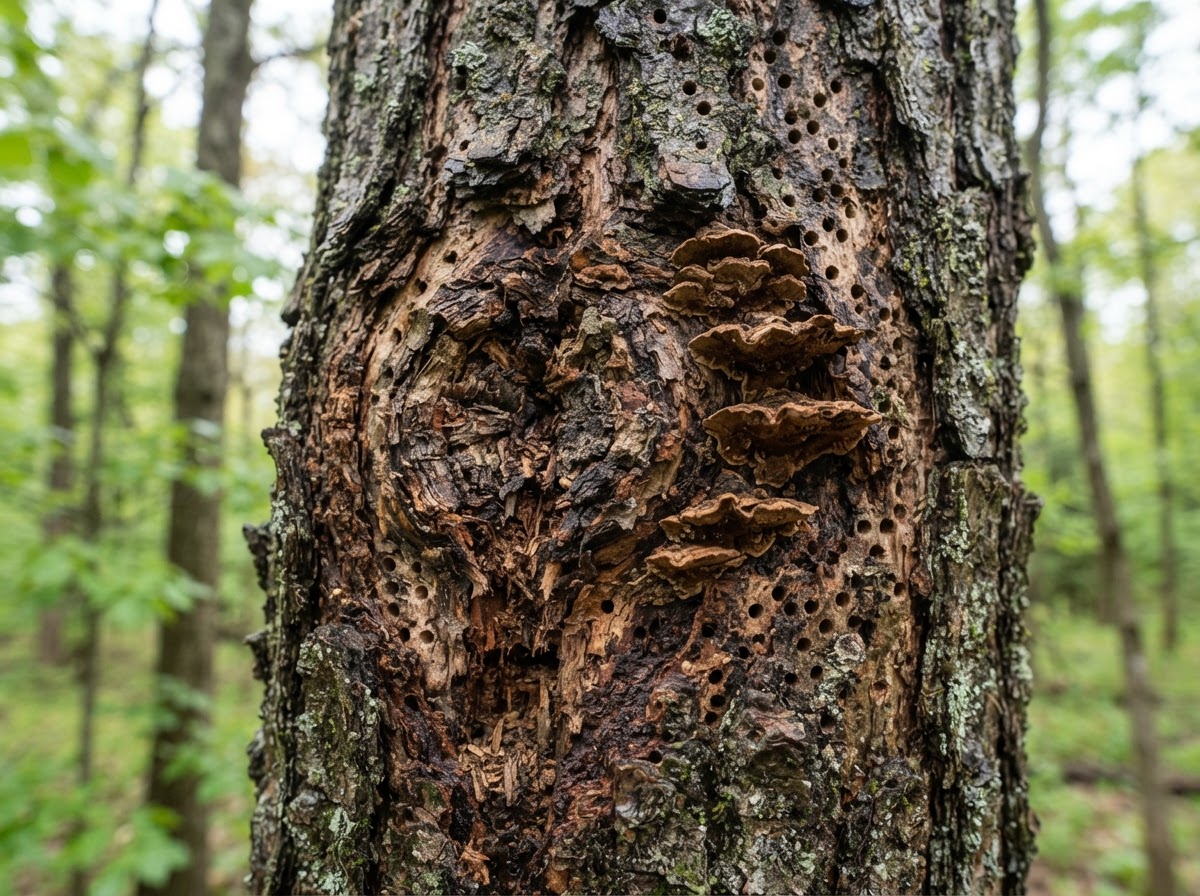
The goal is to understand the entire tree and its growing environment. A single brown branch, insect hole, mushroom, or bark crack does not always tell the full story.
When Should You Call an Arborist?
Your Tree Is Declining
Thinning foliage, dead branches, unusual color, reduced growth, or other changes can have several possible causes.
How to Tell if a Tree Is Dead or DyingYou See Insects or Bark Damage
Boring dust, exit holes, unusual bark damage, or visible insects may require identification before treatment is considered.
Tree Insect ControlYou Suspect Tree Disease
Leaf spots, cankers, dieback, unusual growth, or other symptoms may be related to disease, environmental stress, or something else entirely.
Tree Disease TreatmentThe Tree Was Damaged in a Storm
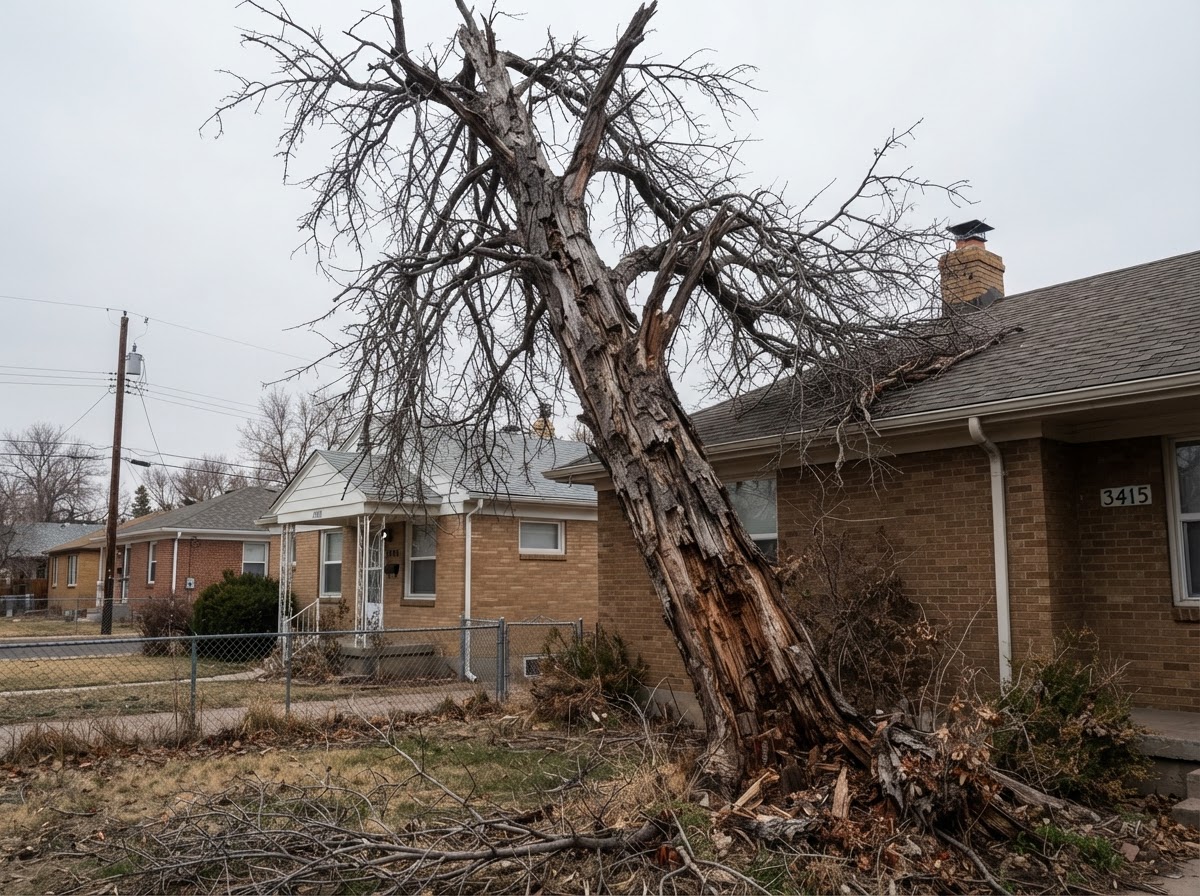
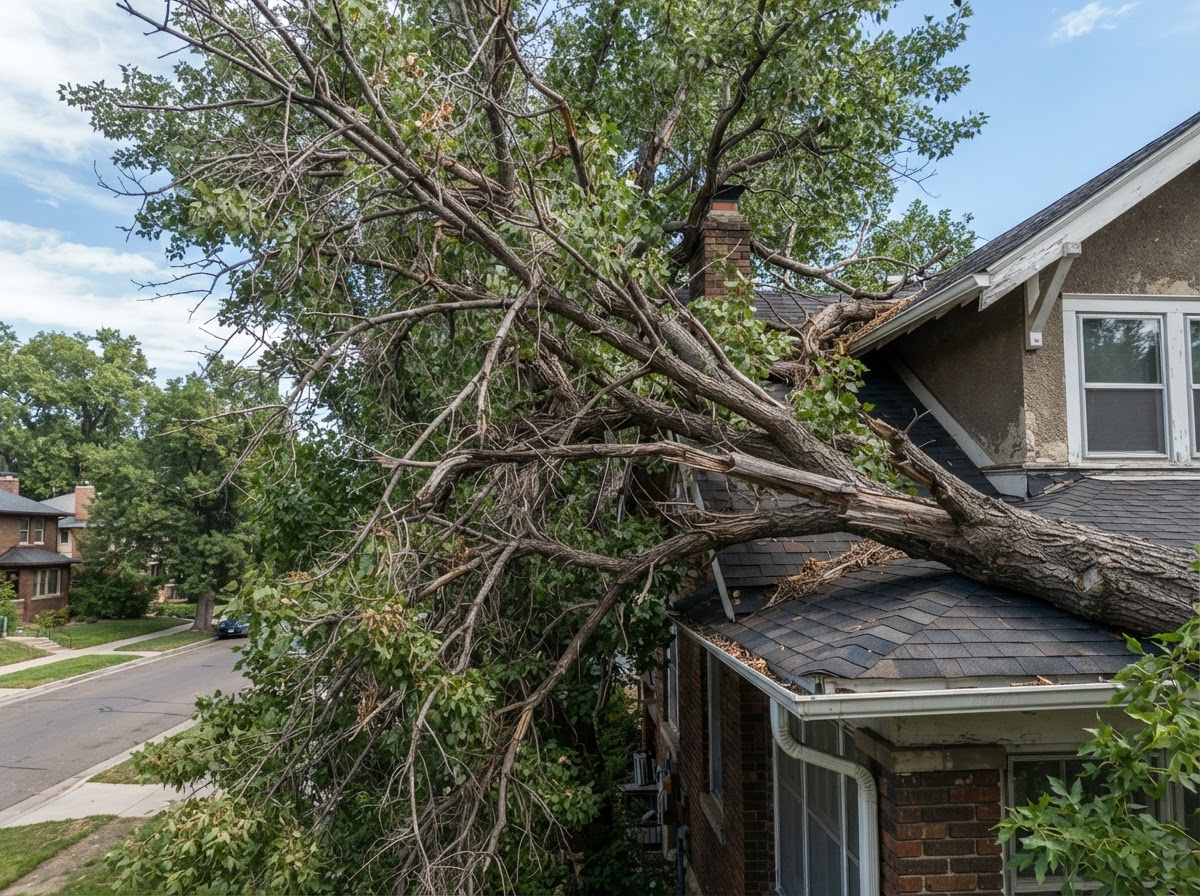
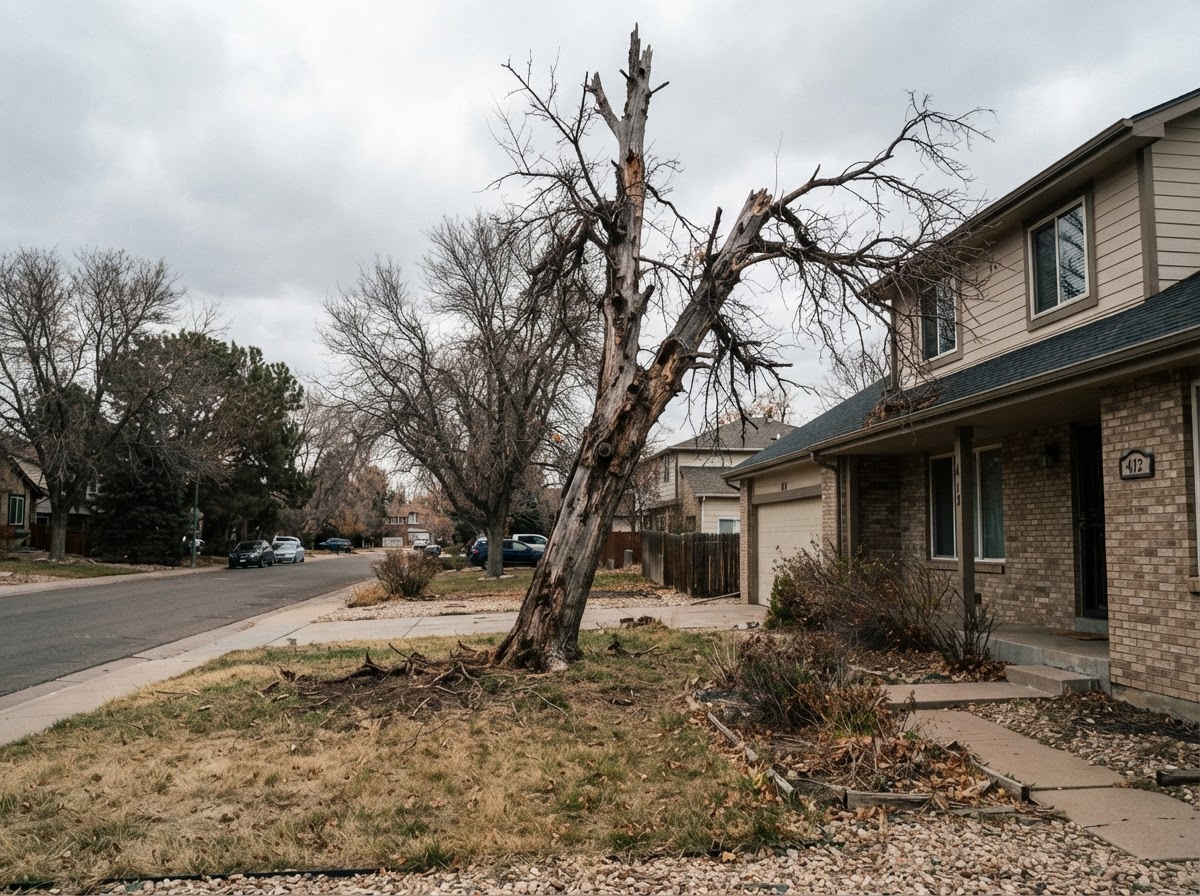
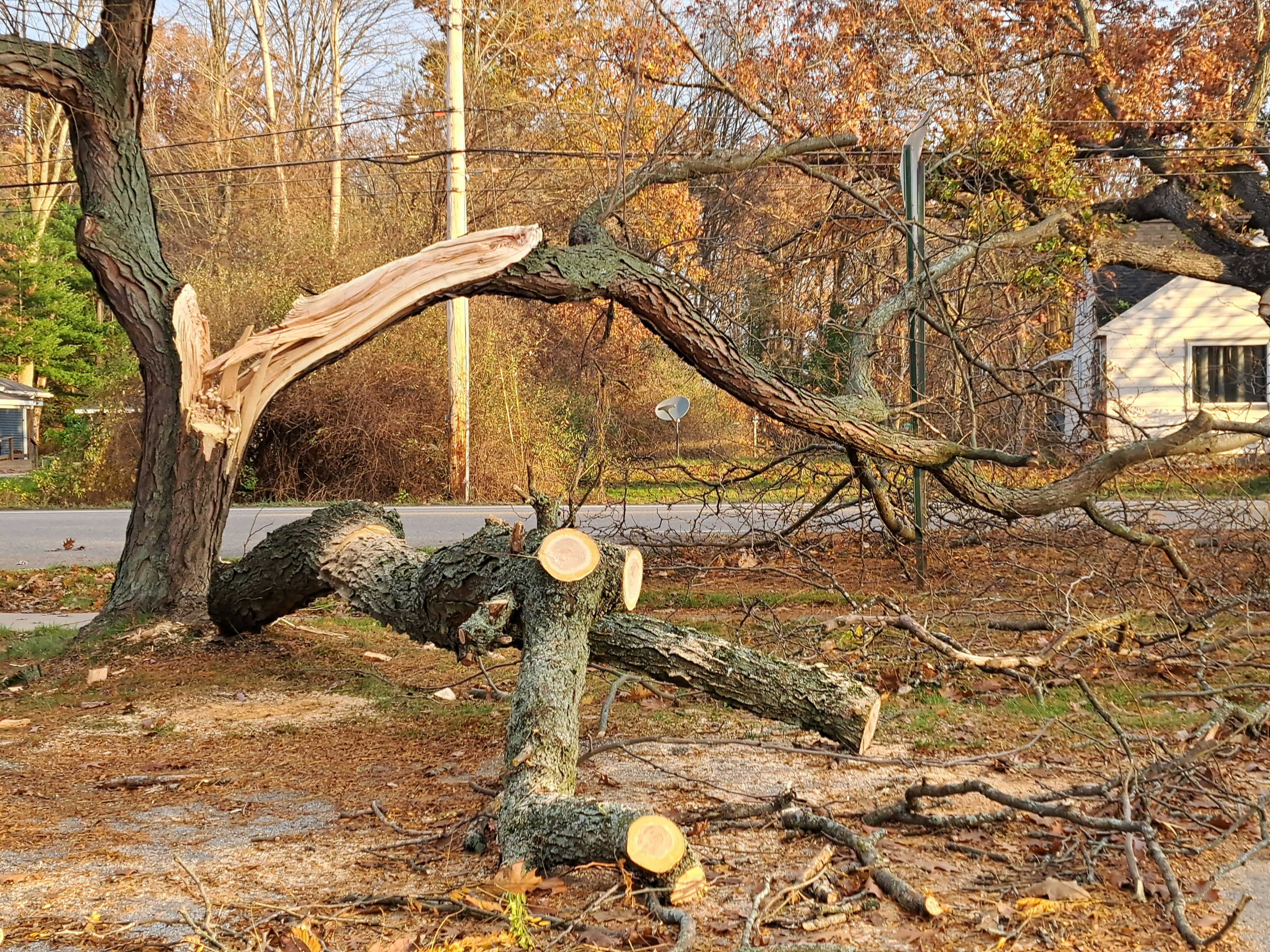
Broken branches, split unions, new lean, root movement, or hanging limbs should be evaluated based on the remaining structure of the tree.
24/7 Emergency Tree ServiceYou Are Considering Tree Removal
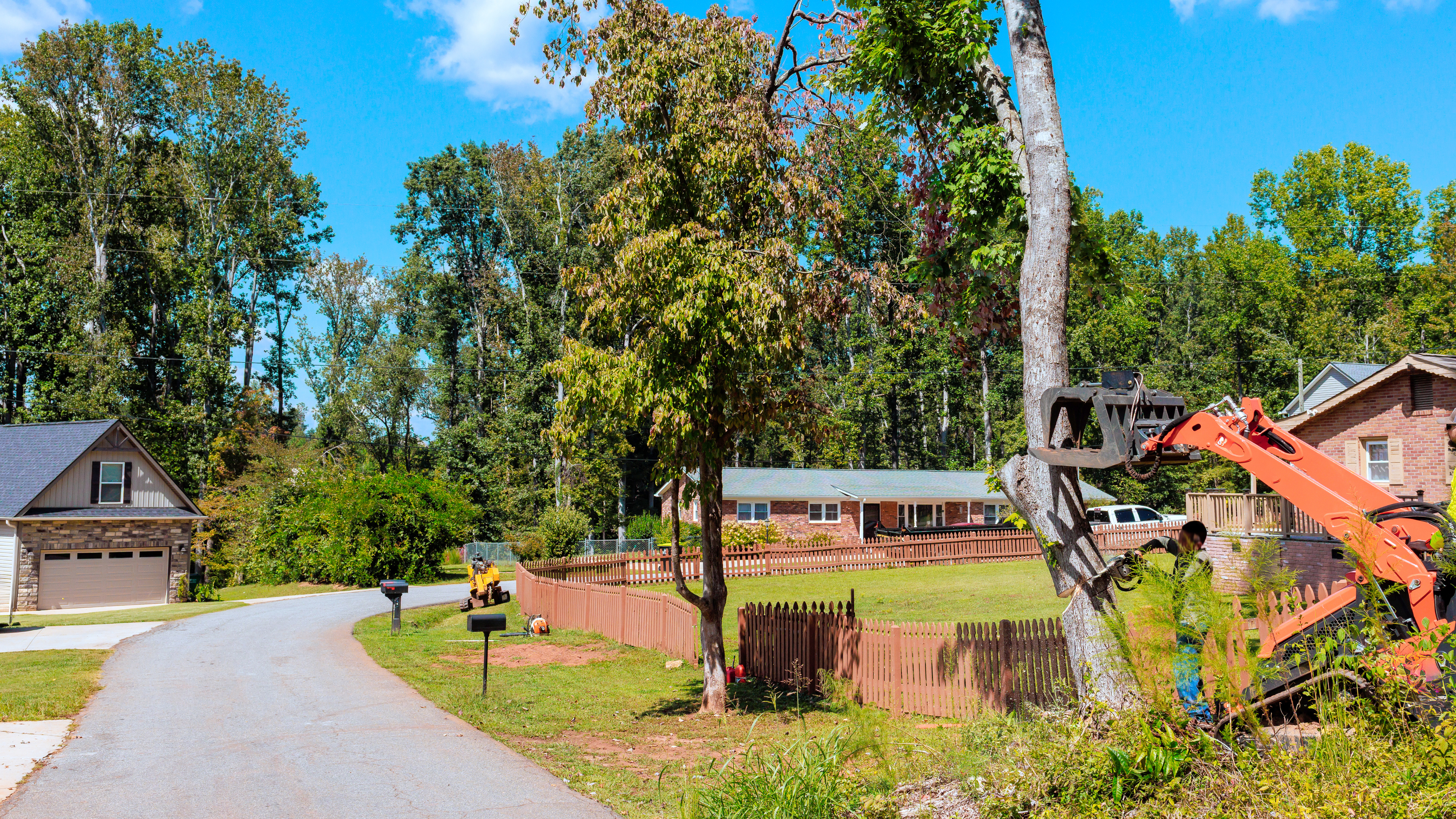
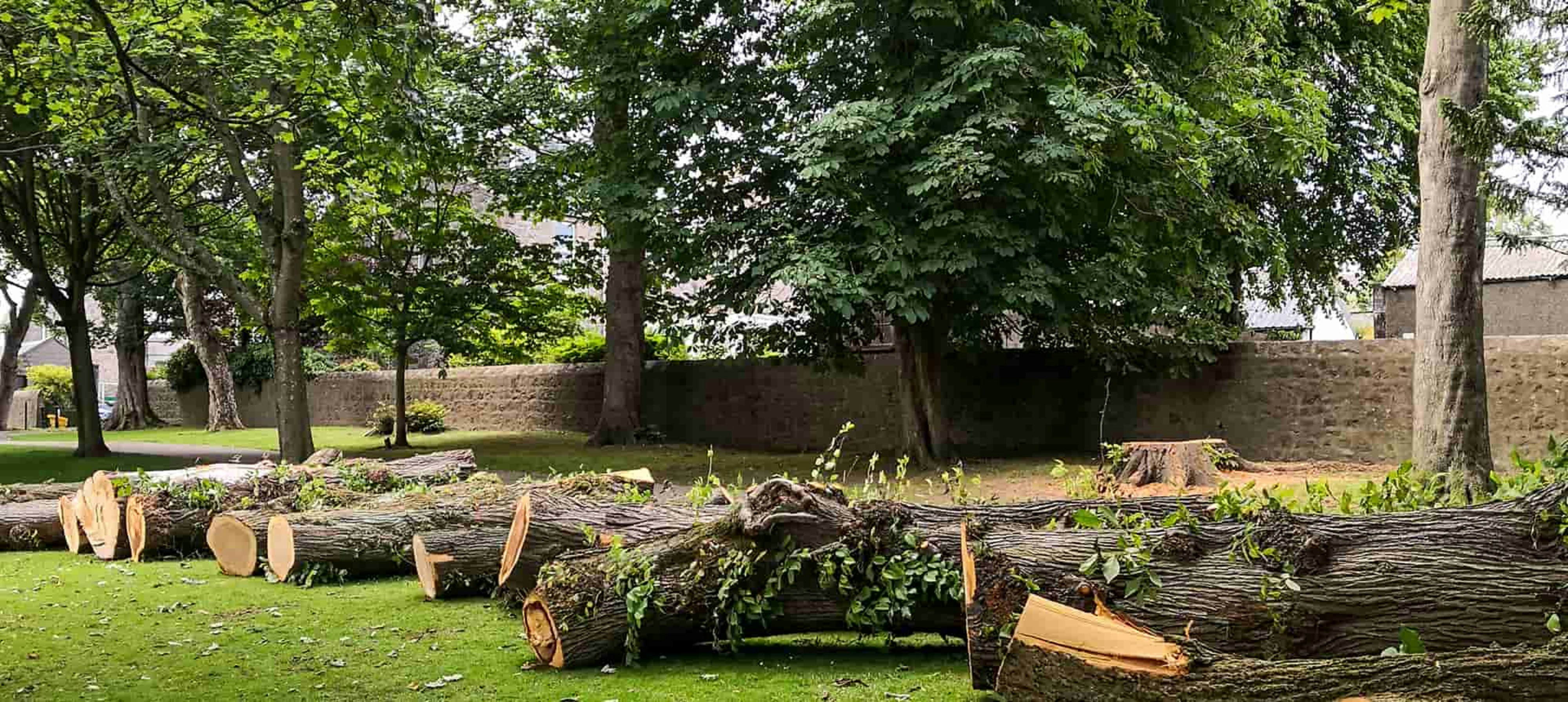
An arborist can help determine whether removal is necessary or whether pruning, treatment, monitoring, or another option is reasonable.
Tree RemovalYou Are Not Sure How a Tree Should Be Pruned
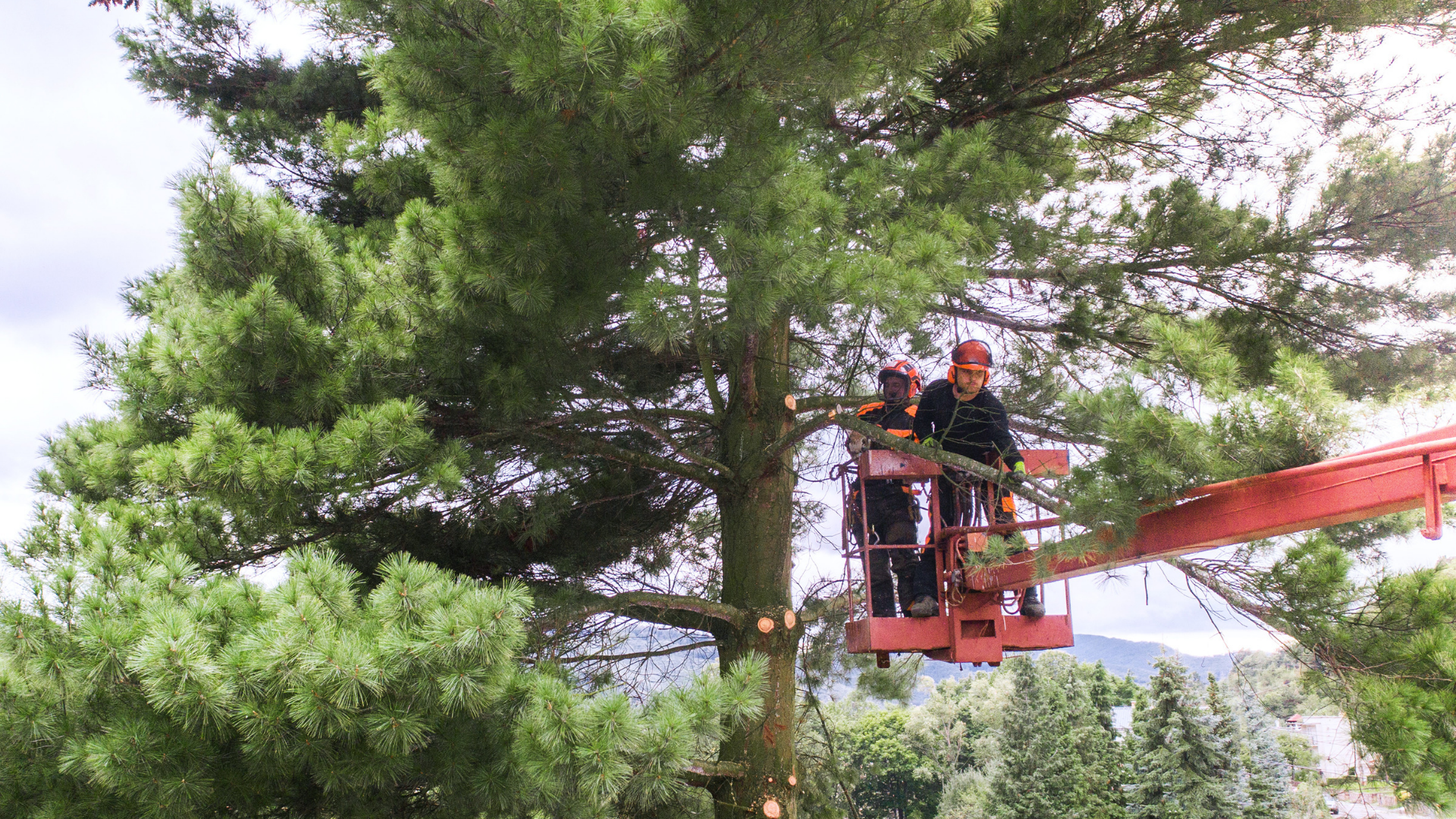
Pruning should have a specific objective. An arborist can help determine what should be removed and what should stay.
Tree Trimming & PruningYou Want to Protect a Valuable Tree
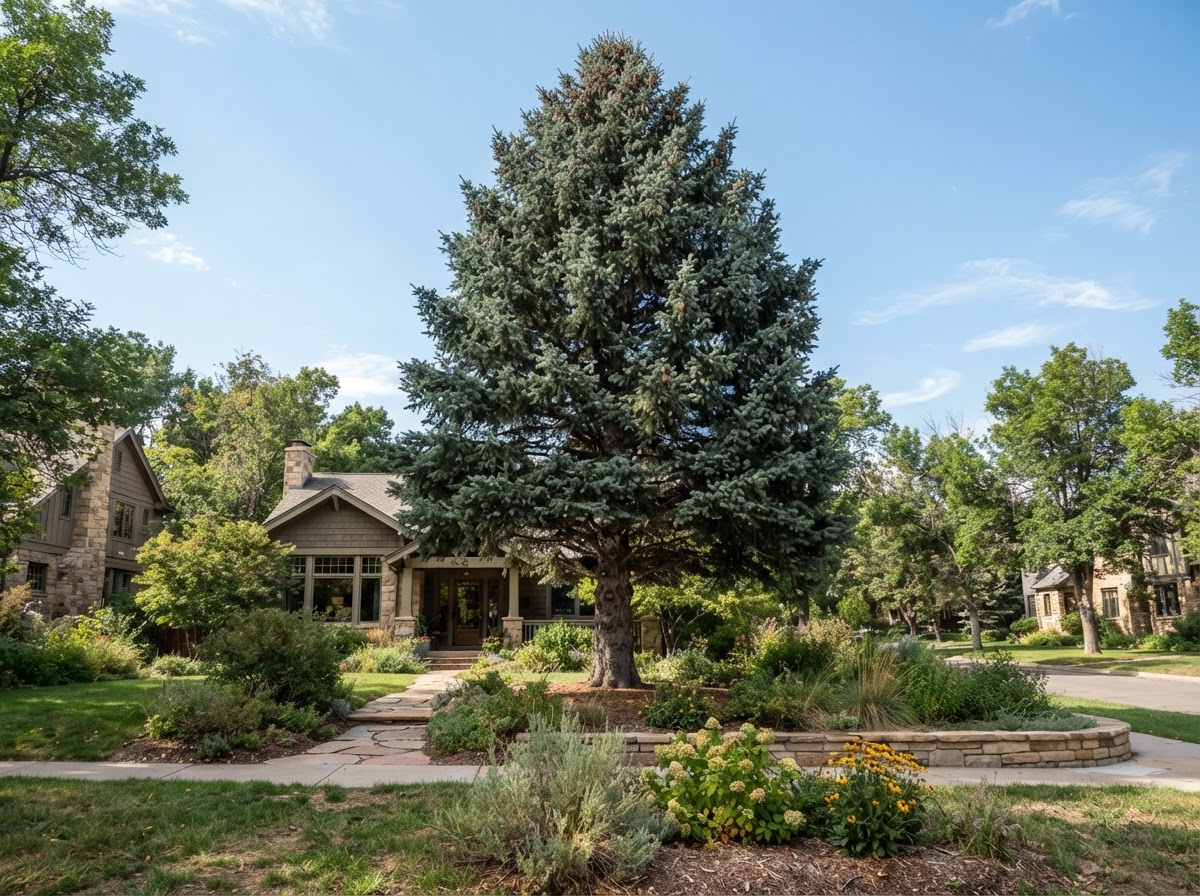
Mature trees may benefit from monitoring, plant health care, soil management, or preventive care before visible decline becomes severe.
Plant Health CareCan an Arborist Tell if a Tree Is Dangerous?
An arborist can evaluate visible structural conditions and help identify concerns that may affect the likelihood of tree or branch failure. That evaluation may include:
- dead branches
- weak branch attachments
- cracks
- decay
- cavities
- root damage
- changes in lean
- storm damage
- canopy imbalance
- previous failures
- surrounding targets
No tree can be guaranteed never to fail. Trees are living structures exposed to wind, snow, weather, insects, disease, and changing site conditions. The purpose of a professional evaluation is to identify observable concerns and determine reasonable management options.
Those options may include:
- monitoring
- pruning
- reducing a specific defect
- changing site use
- additional inspection
- or removal when appropriate
Can an Arborist Save a Dying Tree?
Sometimes. A tree that looks unhealthy may still have reasonable treatment or management options. The answer depends on what is causing the decline.
Possible causes include:
- drought
- root problems
- soil compaction
- nutrient issues
- insects
- disease
- storm damage
- construction injury
- poor planting
- previous pruning damage
- environmental stress
An arborist can help determine whether the underlying problem is manageable. Some trees may improve with appropriate care. Others may have extensive decline, structural damage, or decay that makes recovery unlikely. Diagnosis should come before assuming the tree needs treatment or removal.
Does an Arborist Only Recommend Tree Removal?
No. Tree removal is one possible recommendation, but it should not be the automatic answer to every tree problem.
Depending on the tree, an arborist may recommend:
- no action
- monitoring
- pruning
- watering changes
- soil management
- plant health care
- insect management
- disease management
- structural support
- additional evaluation
- removal
At Tree Pros, if a tree can reasonably be preserved, we will say so. If removal is the practical option, we will explain why. A recommendation should fit the tree, not the service list.
What Is the Difference Between an Arborist and a Tree Service?
A tree service may perform work such as pruning, removal, cleanup, or emergency response. An arborist brings specialized tree-care knowledge into the decision-making process.
The difference matters because the most important question is often not how to perform the work. It is whether the work should be done at all and what approach makes sense for the tree.
For example:
- Should this tree be removed?
- How much canopy should be pruned?
- Is this insect actually causing the decline?
- Does this tree need treatment?
- Is that branch structurally concerning?
- Can this storm-damaged tree recover?
An arborist helps answer those questions before the work begins. Tree Pros combines professional tree-care operations with arborist-led evaluation.
What Is a Board Certified Master Arborist?
Board Certified Master Arborist is an advanced credential offered by the International Society of Arboriculture. It represents a higher level of professional knowledge and experience within arboriculture.
Tree Pros founder Paul Goin became an ISA Certified Arborist in 1988 and earned the ISA Board Certified Master Arborist credential in 2015. Paul also holds ISA Tree Risk Assessment Qualification and is an ASCA Academy Graduate.
What Does a Tree Risk Assessment Look At?
Tree risk evaluation considers both the tree and what surrounds it. An arborist may evaluate:
- structural defects
- dead branches
- decay
- cracks
- root condition
- lean
- branch attachments
- previous failures
- storm damage
- tree health
- likelihood of failure
- what could be affected if failure occurs
A large dead branch over an unused part of a property may present a different situation from the same branch over a driveway, sidewalk, patio, or home. Risk is not based on the tree alone. Location and property use matter too.
What Should You Ask an Arborist?
- What do you think is happening with the tree?
- What evidence supports that diagnosis?
- Does the tree need work now?
- What happens if I do nothing?
- Can the tree reasonably be preserved?
- Why are you recommending pruning?
- Why are you recommending removal?
- Are there treatment options?
- How urgent is the problem?
- What should I watch for going forward?
A good arborist should be able to explain the reasoning behind a recommendation in language you can understand.
When Does an Arborist Evaluation Make the Most Sense?
An arborist evaluation is especially useful when there is a decision to make. Examples include:
- whether to remove a tree
- whether storm damage can be repaired
- whether pruning is necessary
- whether an insect problem needs treatment
- whether disease is present
- whether a declining tree can recover
- whether a mature tree should be preserved
- whether a structural defect needs action
- whether a tree is appropriate for a particular location
You do not need to wait until a tree is in severe decline. Early evaluation often provides more options than waiting until a problem becomes obvious.
Arborist-Led Tree Care
Certified Arborist Services From Tree Pros
Tree Pros has served the Denver metro since 2003, and founder Paul Goin has worked professionally in tree care since 1981. Our team includes three ISA Certified Arborists. Every crew leader is an ISA Certified Arborist. Paul Goin is an ISA Board Certified Master Arborist and holds ISA Tree Risk Assessment Qualification.
That experience helps us approach tree care by starting with the condition of the tree rather than assuming which service it needs. We evaluate first. Then we explain what we see, what the reasonable options are, and what we recommend.
Sometimes that means pruning. Sometimes treatment. Sometimes monitoring. Sometimes removal. And sometimes the right answer is to leave the tree alone.
Reviewed by Paul Goin, ISA Board Certified Master Arborist.