How Often Should a Tree Be Trimmed?
Pruning frequency depends on the individual tree. There is no single interval that works for every species, age, property, or pruning objective.
A tree may need pruning because of:
- dead branches
- broken limbs
- structural development
- crossing or rubbing branches
- clearance issues
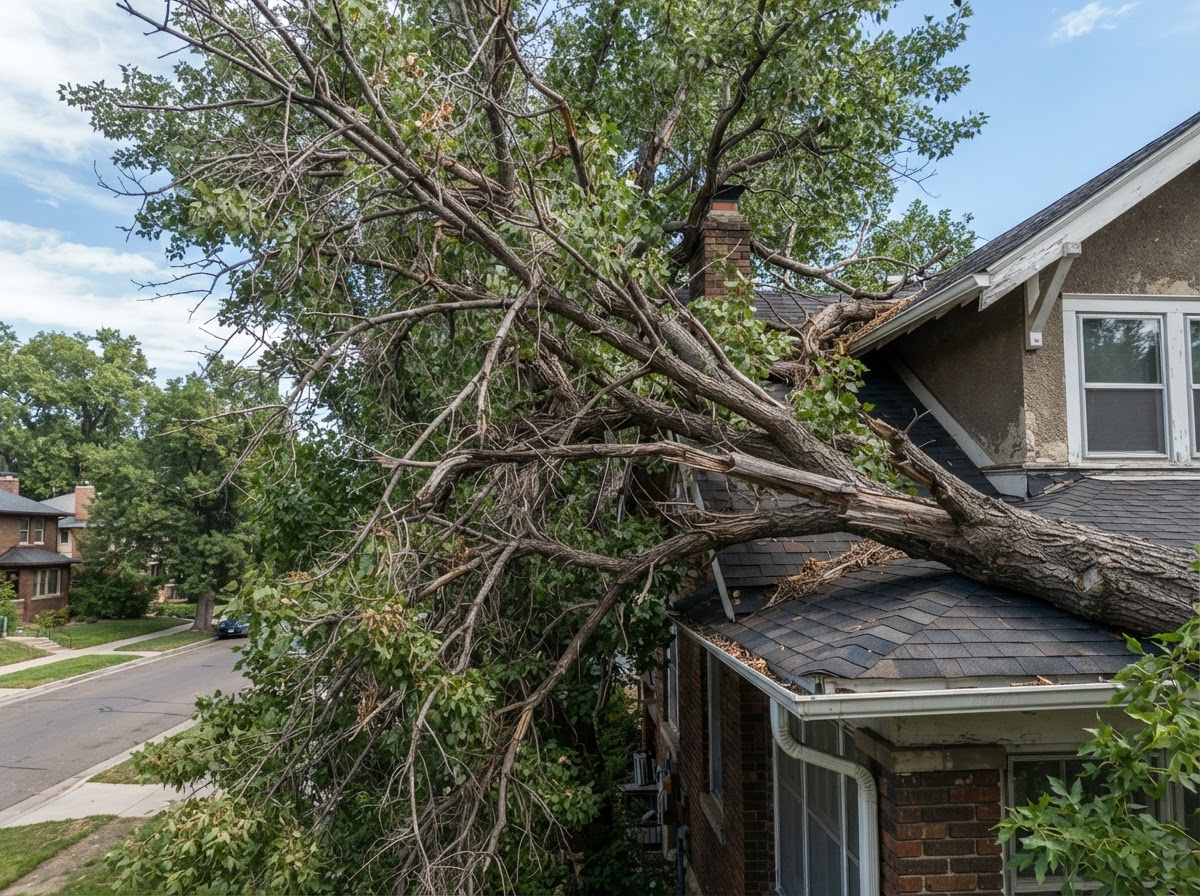
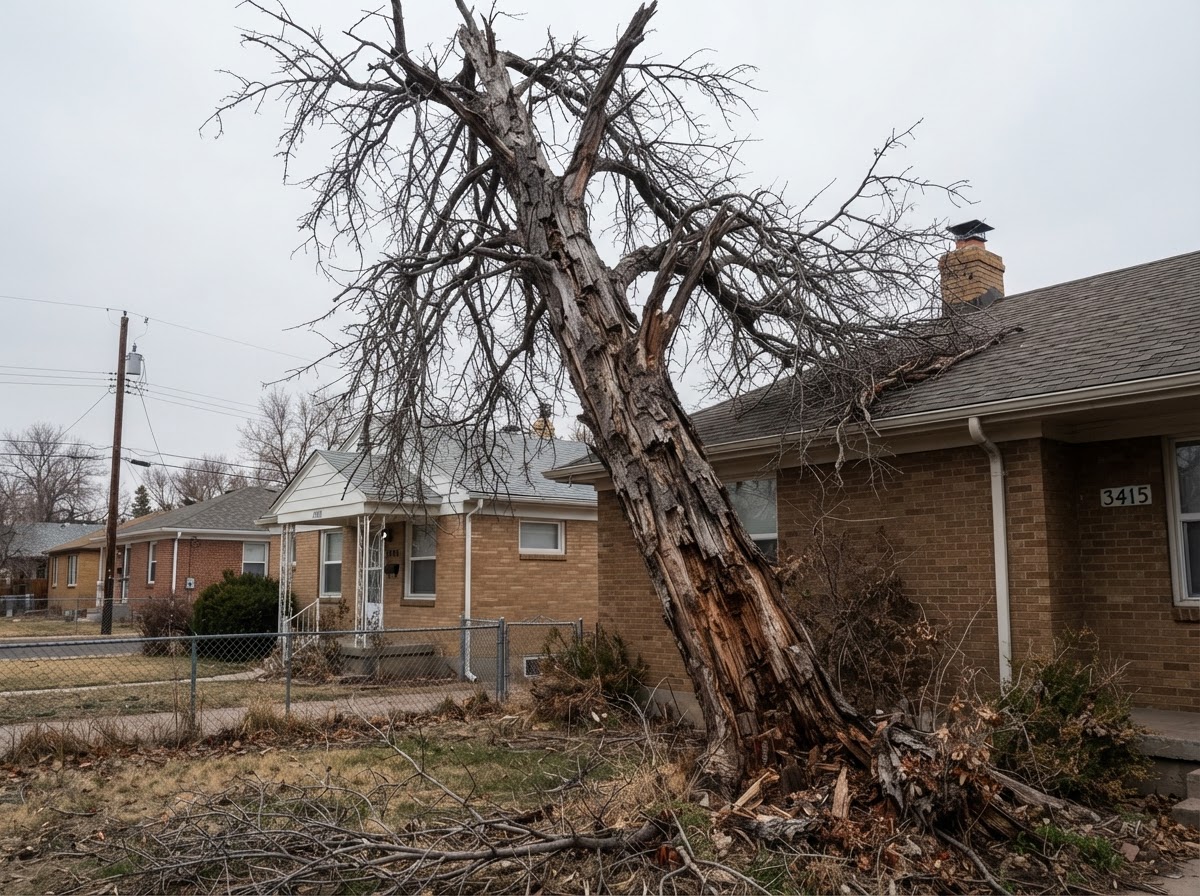
- storm damage
- weak branch attachments
- canopy imbalance
- property changes
- long-term tree development
If none of those concerns are present, the tree may not need meaningful pruning simply because a certain number of years have passed. Routine inspection is useful. Routine cutting is not always necessary.
Do Young Trees Need to Be Pruned More Often?
Young trees often benefit from more frequent structural attention than established mature trees. Early pruning can help guide branch development while cuts are still relatively small.
Goals may include:
- encouraging a strong central structure
- improving branch spacing
- addressing competing leaders
- removing crossing branches
- reducing future structural conflicts
- creating appropriate clearance over time
The purpose is not to make a young tree smaller. It is to help the tree develop a stronger structure as it grows. Small corrective cuts made earlier can sometimes reduce the need for much larger cuts later in the tree's life.
How Often Do Mature Trees Need Pruning?
Mature trees generally should not be pruned on an automatic schedule. A healthy mature tree may go several years without requiring significant canopy work.
Reasons a mature tree may need pruning include:
- deadwood
- storm damage
- broken branches
- clearance conflicts
- specific structural defects
- branches rubbing against each other
- changes around the property
- a professional recommendation based on tree condition
Mature trees have less ability to respond to large wounds and unnecessary canopy loss than vigorous young trees. That makes selective pruning and restraint especially important.
Does Every Tree Need Regular Trimming?
No. Trees do not need pruning simply because pruning is available as a service. A tree with good structure, no significant dead or damaged branches, appropriate clearance, and no specific management concern may not need work.
Unnecessary pruning can:
- remove healthy foliage
- create wounds
- alter tree structure
- increase stress
- trigger excessive regrowth
- reduce shade
- create future maintenance problems
Tree Pros approaches pruning by identifying the objective first. If there is no meaningful pruning objective, leaving the tree alone may be the right decision.
What Signs Mean a Tree May Need Pruning?
Dead Branches
Dead branches may need removal when they could fall into frequently used areas or interfere with overall tree management.
Broken or Hanging Limbs
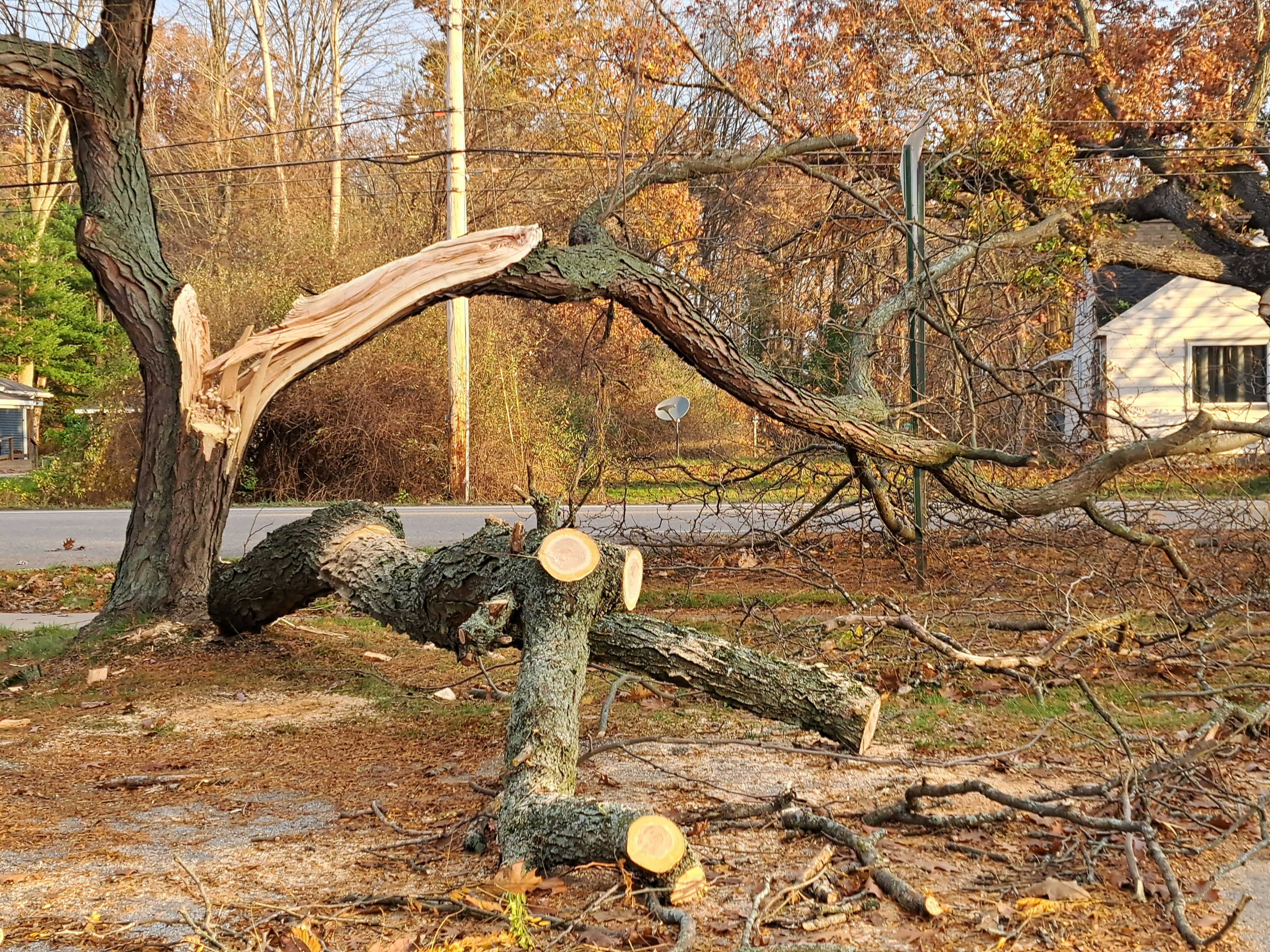
Storm damage can create partially attached branches or other defects that should be evaluated promptly.
Crossing or Rubbing Branches
Branches that repeatedly rub against each other can damage bark and create weak areas.
Poor Branch Structure
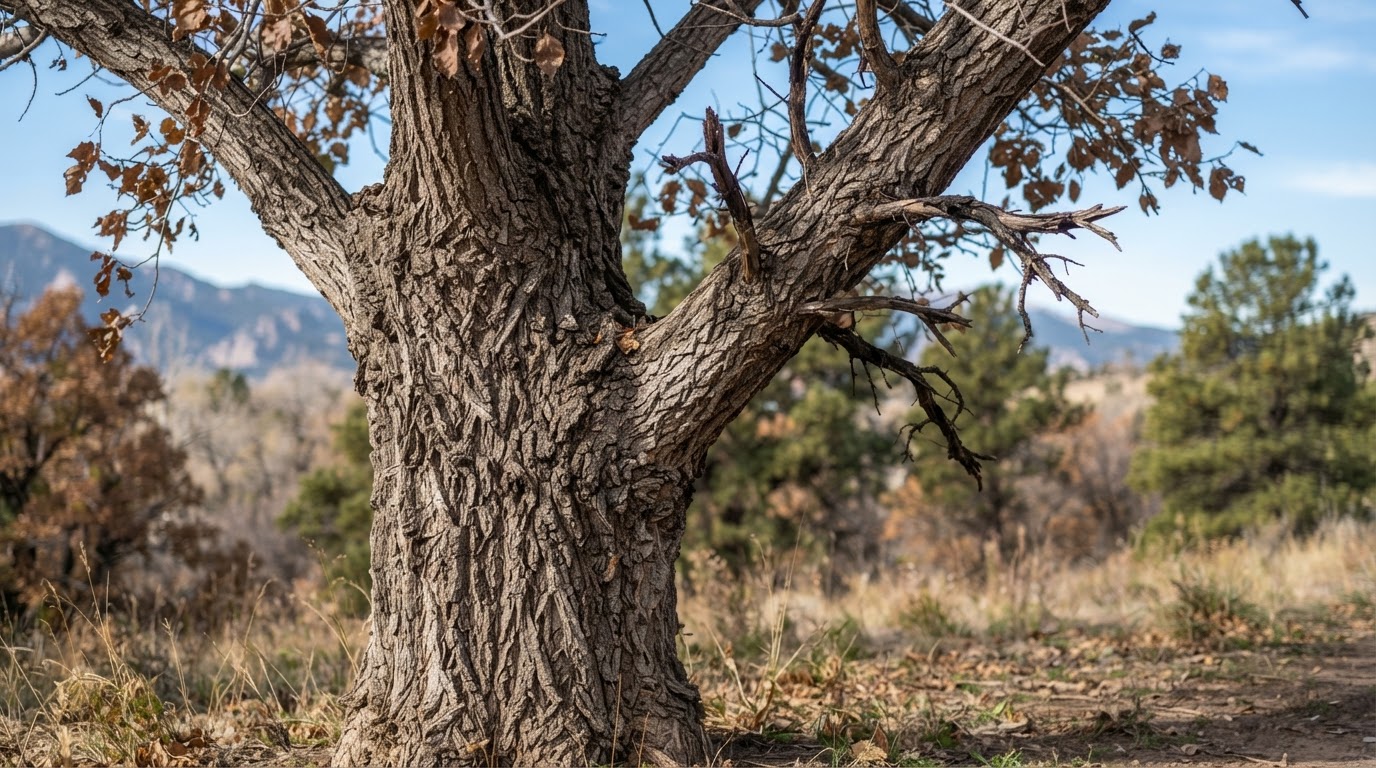
Competing leaders, weak attachments, or crowded branch arrangements may justify structural pruning.
Clearance Problems
Branches may need selective pruning where they interfere with roofs, driveways, sidewalks, buildings, or normal use of the property.
Canopy Imbalance
Storm loss, previous pruning, or uneven growth can sometimes create a canopy that needs selective correction.
Young Tree Development
Periodic structural pruning can help younger trees develop better branch relationships as they mature.
Can a Tree Be Trimmed Too Often?
Yes. Repeated pruning without a clear objective can remove healthy canopy unnecessarily. Leaves produce the energy trees use for growth, defense, repair, and long-term survival. Removing too much live foliage too often can place unnecessary stress on the tree.
Frequent heavy pruning may also encourage:
- excessive sprouting
- weak new growth
- larger numbers of pruning wounds
- loss of natural form
- sun exposure to previously shaded tissue
- long-term structural problems
More pruning does not automatically mean better tree care.
How Much of a Tree Should Be Pruned at One Time?
There is no single percentage that should automatically be removed from every tree. The appropriate amount depends on:
- tree age
- species
- health
- current stress
- pruning objective
- amount of deadwood
- previous pruning
- canopy condition
Young vigorous trees may tolerate corrective pruning differently from mature or stressed trees. The objective should be to remove only what is needed to accomplish the purpose of the work. Avoid setting a goal such as "remove 25 percent" before evaluating the tree.
Does Denver Weather Change How Often Trees Need Pruning?
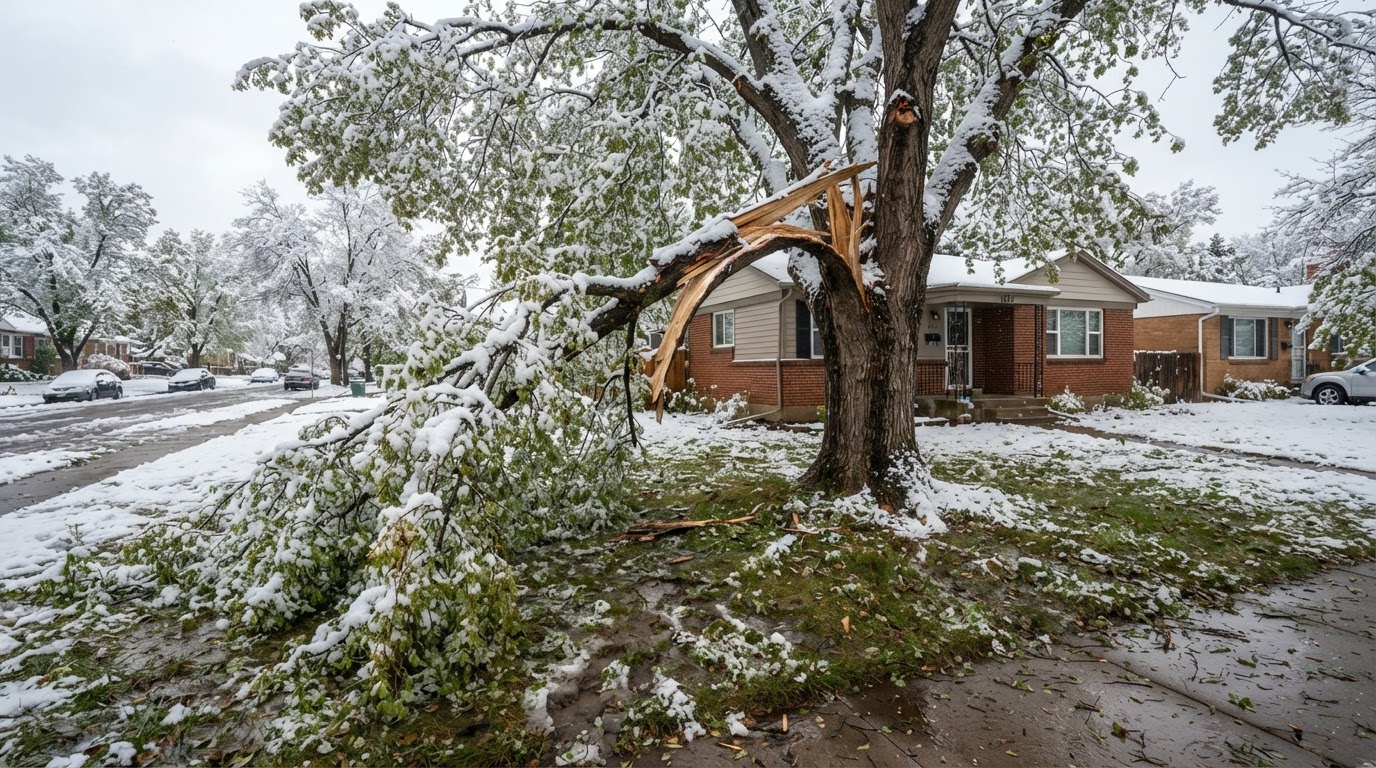
Yes. Denver's weather can create pruning needs that are difficult to predict on a calendar. Heavy wet snow, wind, drought, rapid temperature changes, and seasonal storms can alter a tree's structure between routine pruning cycles.
For example:
- a tree may lose a major branch during a spring snowstorm
- drought stress may make unnecessary pruning less appropriate
- wind may expose a weak attachment that was previously unnoticed
- freeze damage may kill individual branches
A tree that looked fine last year may need attention after a significant weather event. That is why inspection after major storms can be more useful than following a rigid pruning schedule.
Is Tree Trimming Different From Tree Pruning?
Homeowners often use tree trimming and tree pruning to mean the same thing. In professional arboriculture, pruning is usually the more precise term because it implies that branches are being removed for a defined purpose.
That purpose may be:
- structure
- deadwood removal
- clearance
- storm damage
- long-term development
- managing a specific defect
The important part is not the terminology. It is whether there is a good reason for each cut.
Should Trees Be Topped Every Few Years?
No. Tree topping is not appropriate routine maintenance. Topping removes large portions of the canopy and cuts branches back to inappropriate points.
This can lead to:
- large wounds
- decay
- weakly attached regrowth
- excessive sprouting
- loss of natural form
- increased long-term maintenance
Tree Pros does not recommend routine tree topping. If a tree has outgrown its location or has serious structural concerns, the solution should be based on the actual tree and site conditions rather than repeatedly topping it.
How Often Should You Have a Tree Inspected?
A tree can be evaluated without automatically being pruned. Periodic inspection can be especially useful for:
- large mature trees
- trees close to homes
- trees over driveways or gathering areas
- trees with previous storm damage
- trees with known structural defects
- high-value landscape trees
- trees showing decline
- trees affected by nearby construction
Inspection frequency depends on the tree, site, history, and level of concern. An arborist may recommend monitoring a particular condition rather than performing immediate work.
A Better Way to Think About Pruning Frequency
- 1
Look at the Tree, Not the Calendar
Start with the tree's current condition rather than how many years have passed.
- 2
Identify the Pruning Objective
Know whether the goal is structure, clearance, deadwood, storm repair, or another specific concern.
- 3
Consider Tree Age
Young trees and mature trees have different pruning needs.
- 4
Consider Recent Changes
Storms, construction, drought, damage, and property changes can create new pruning needs.
- 5
Remove Only What Is Needed
Good pruning should accomplish the objective while preserving healthy canopy and natural structure.
Arborist-Led Pruning
How Tree Pros Decides Whether a Tree Needs Pruning
Tree Pros has served the Denver metro since 2003, and founder Paul Goin has worked professionally in tree care since 1981. Our team includes three ISA Certified Arborists, and every crew leader is an ISA Certified Arborist.
We do not begin with a rule that says every tree needs trimming on a fixed schedule. We look at:
- tree species
- age
- health
- branch structure
- deadwood
- storm damage
- clearance
- previous pruning
- site conditions
- surrounding property
- the reason for the work
Sometimes the recommendation is to prune now. Sometimes it is to wait. Sometimes the tree does not need pruning. A recommendation should fit the tree, not the service list.